Engine Wiring Made Easy for Your G-Body LS Swap
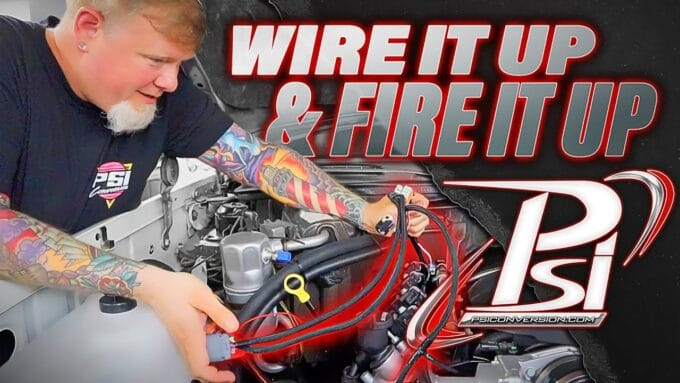
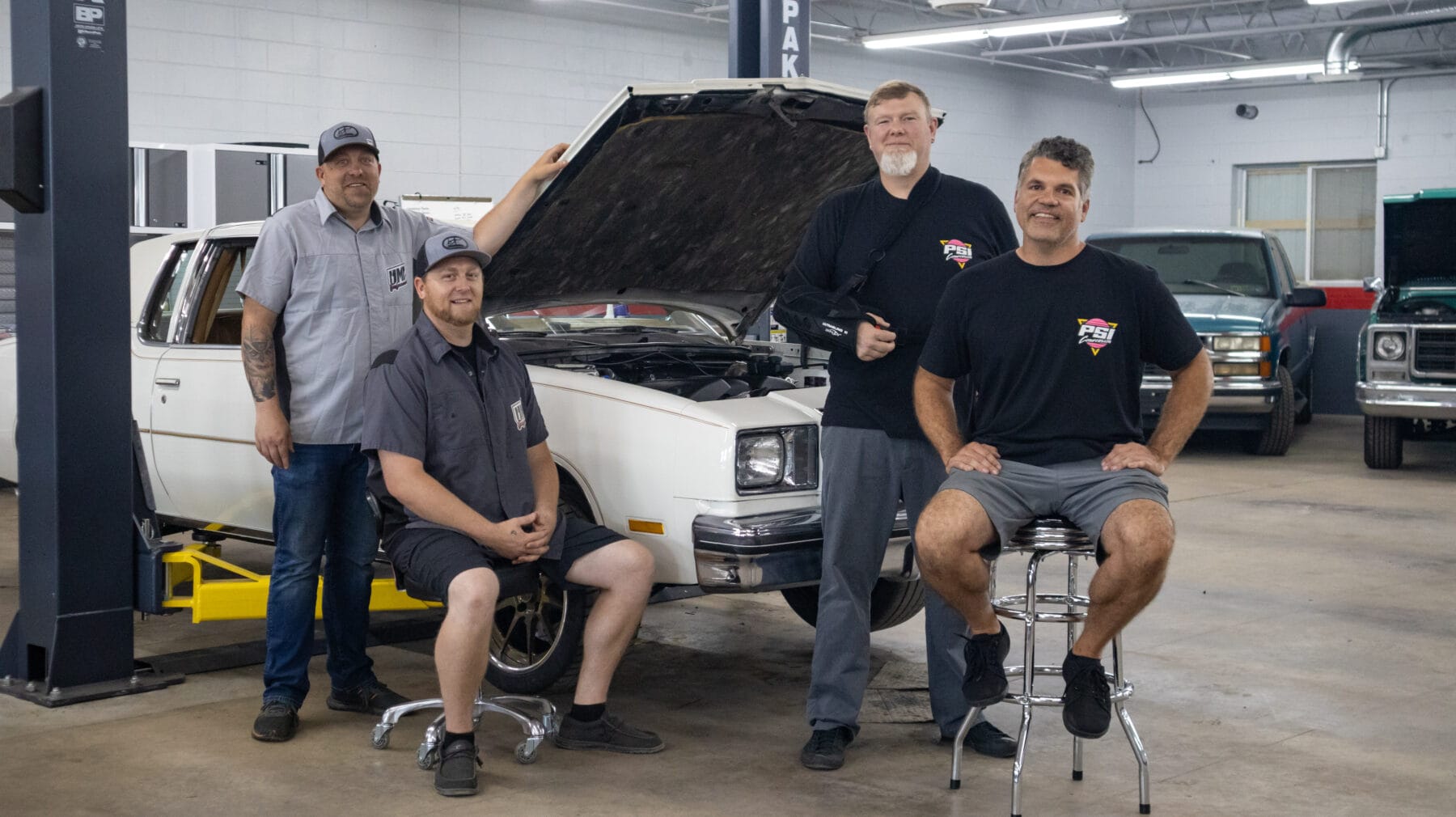
When it comes to performing a G-body LS swap, one of the most challenging and crucial tasks is getting the wiring right. At UMI Performance, we've been working on our 1978 Cutlass project this season, and the big milestone arrived when we finally fired up the engine. To make this swap seamless, we teamed up with the experts at PSI Conversion to handle the wiring harness—an essential component to ensure everything runs flawlessly. In this article, we'll share our experience, insights from the PSI team, and tips to make your own G-body LS swap wiring project straightforward and stress-free.
Why Choose PSI Conversion for Your LS Swap Wiring?
PSI Conversion has been a trusted name in the LS swap community for over 20 years. Joe Balistieri, co-owner of PSI, explains that their mission is to simplify LS swaps by providing plug-and-play wiring solutions that save time and eliminate the headaches often associated with wiring custom engines.
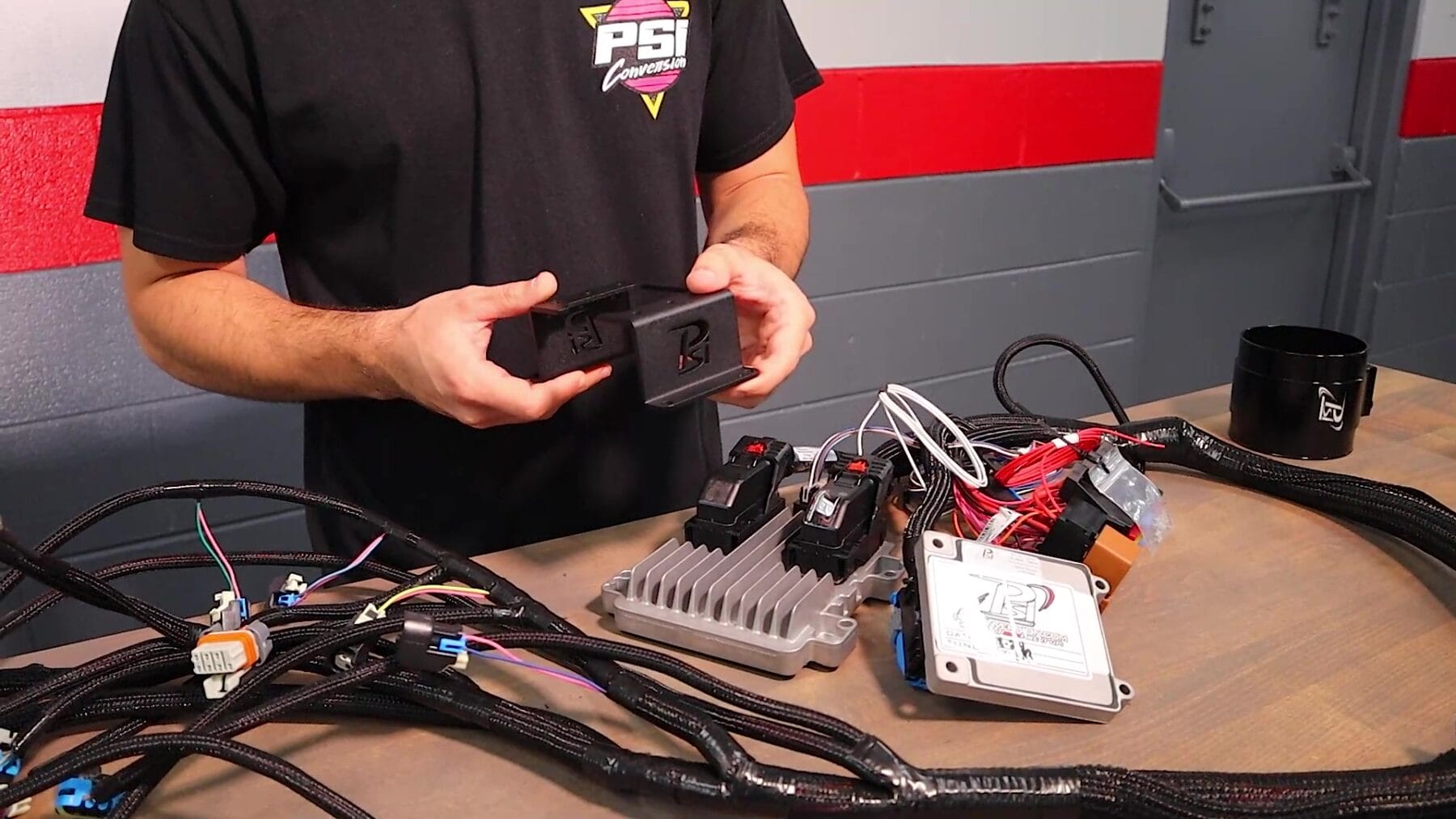
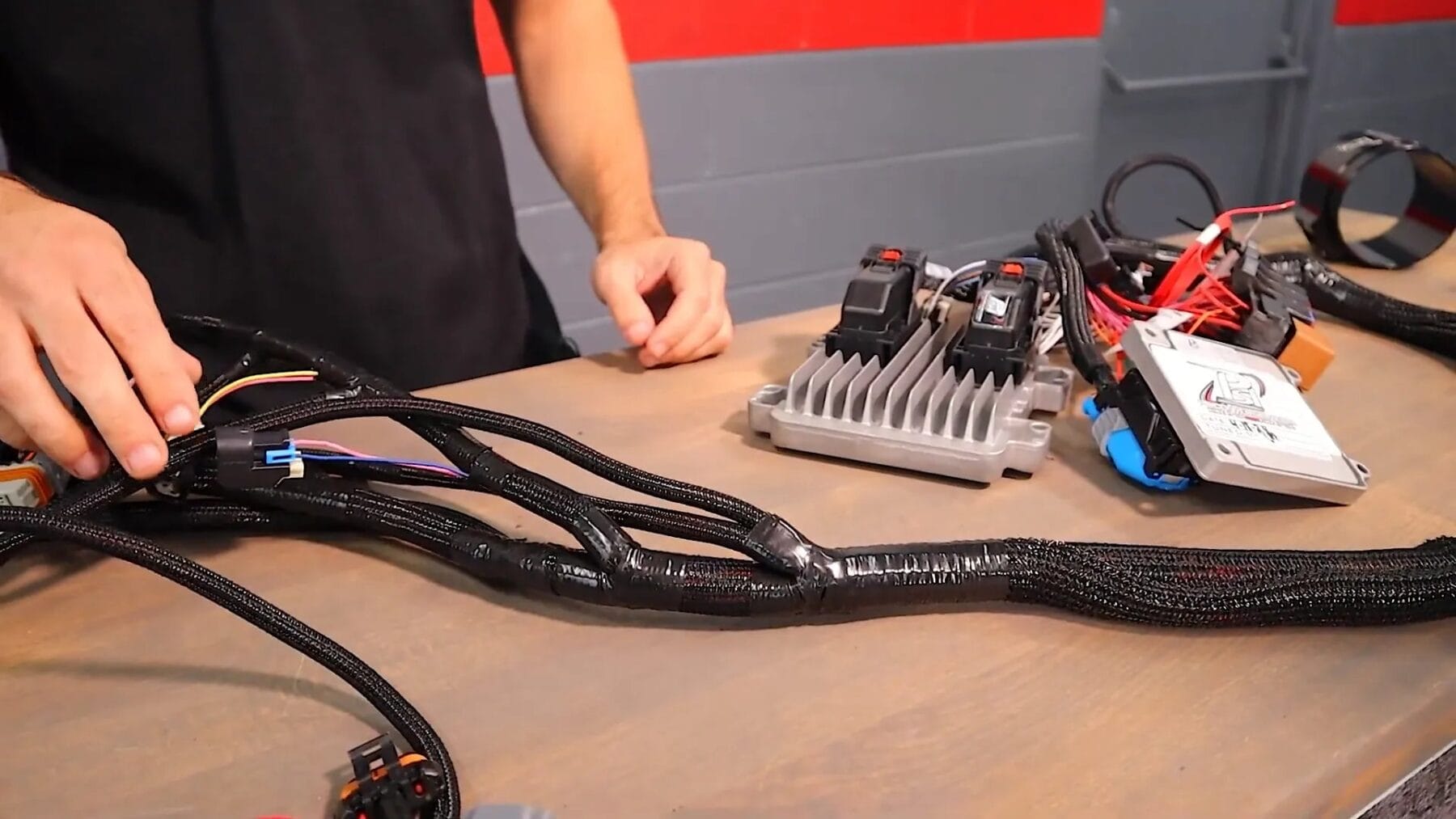
For our 1978 Cutlass, PSI supplied their most popular product: the Gen 4 engine controller kit designed for the 4L60 transmission. This kit includes everything you need except for the engine and transmission themselves. From the wiring harness to the engine computer and transmission controller, all sensors—including the gas pedal sensor—are included. This comprehensive approach ensures that the wiring process is as straightforward as possible.
What’s Included in the PSI Wiring Harness Kit?
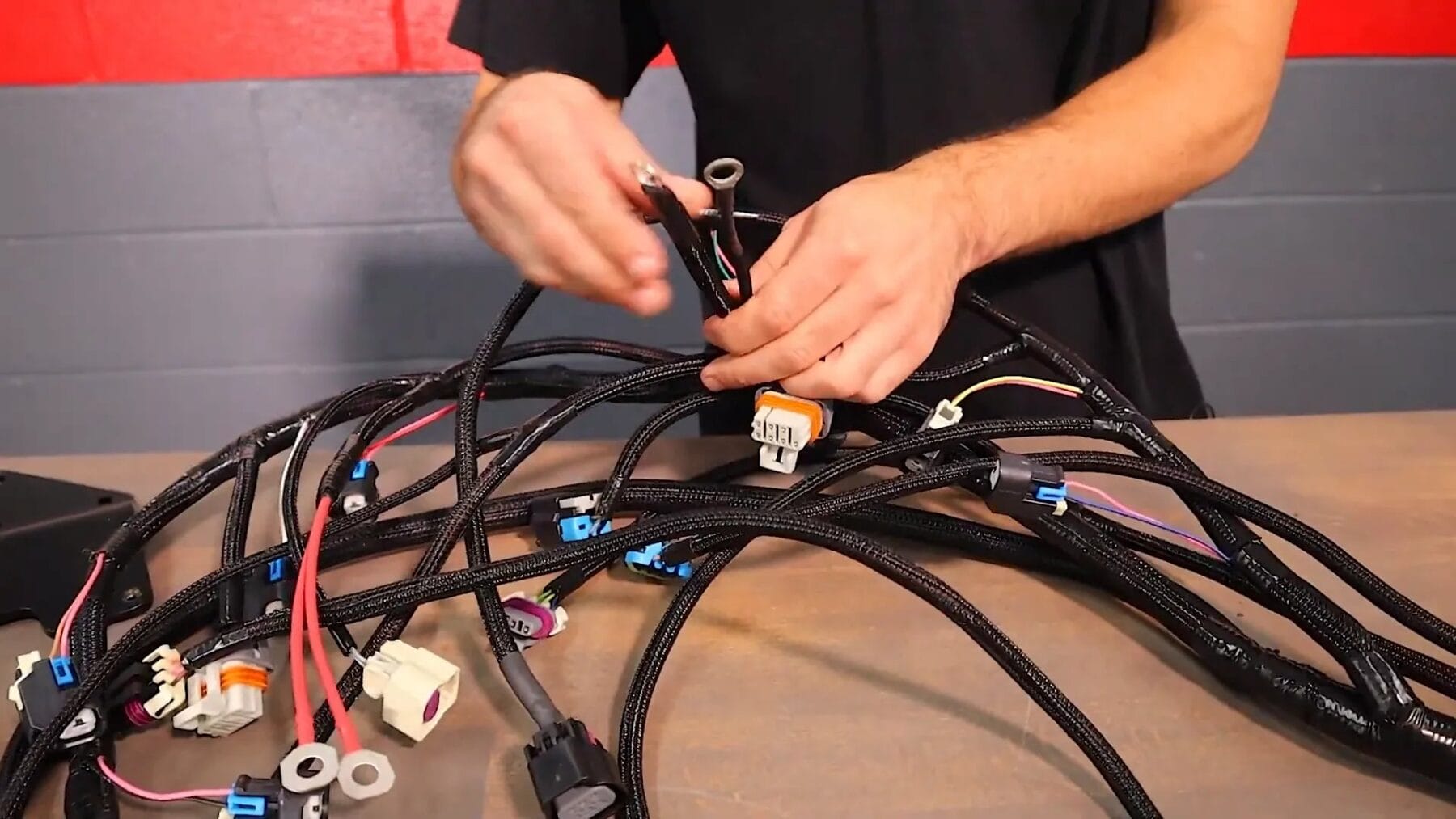
- Engine Harness: The main component, designed with minimal connections such as grounds, power, and switched power, making it simple to get wired up.
- Upgraded Braided Loom: For a neat, professional finish that tucks away cleanly under the hood.
- Pre-Tuned Computers: The engine and transmission computers come pre-tuned for your specific setup, whether you’re running a stock motor or a crate motor.
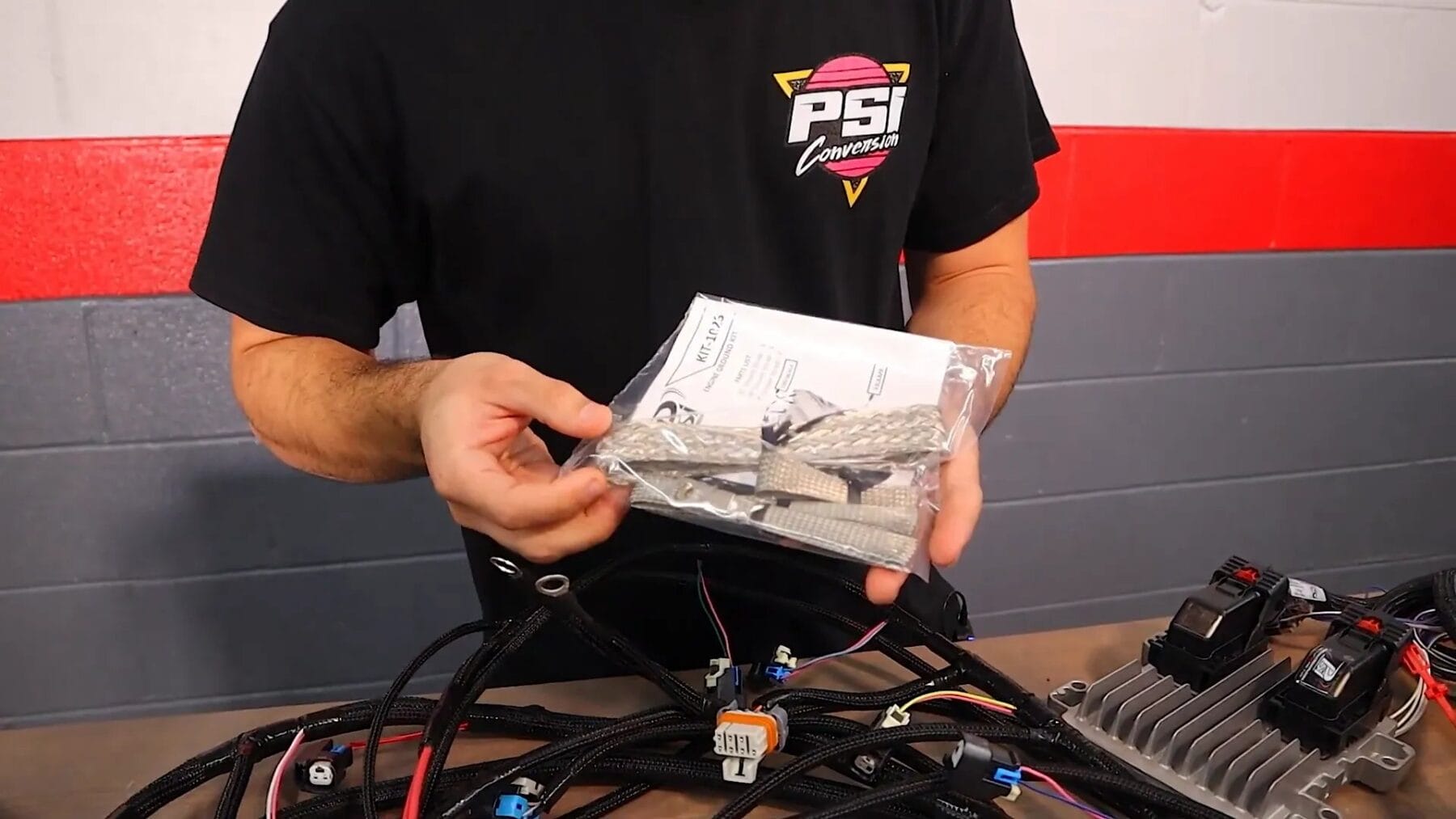
- Ground Straps: These are crucial for ensuring a solid ground connection, which is often the number one issue in wiring installs.
- ECM and TCM Bracket: A custom bracket that mounts the engine and transmission computers cleanly under the dash with no need for custom fabrication.
- Fuse Block Bracket: Designed to sit alongside the computer bracket for a tidy, organized installation.
- Mass Airflow Tube Options: PSI offers a billet mass airflow tube for those who can’t weld, as well as a custom welded option from UMI.
- All Necessary Sensors: Oxygen sensors, mass airflow sensors, and accelerator pedals are included to complete the kit.
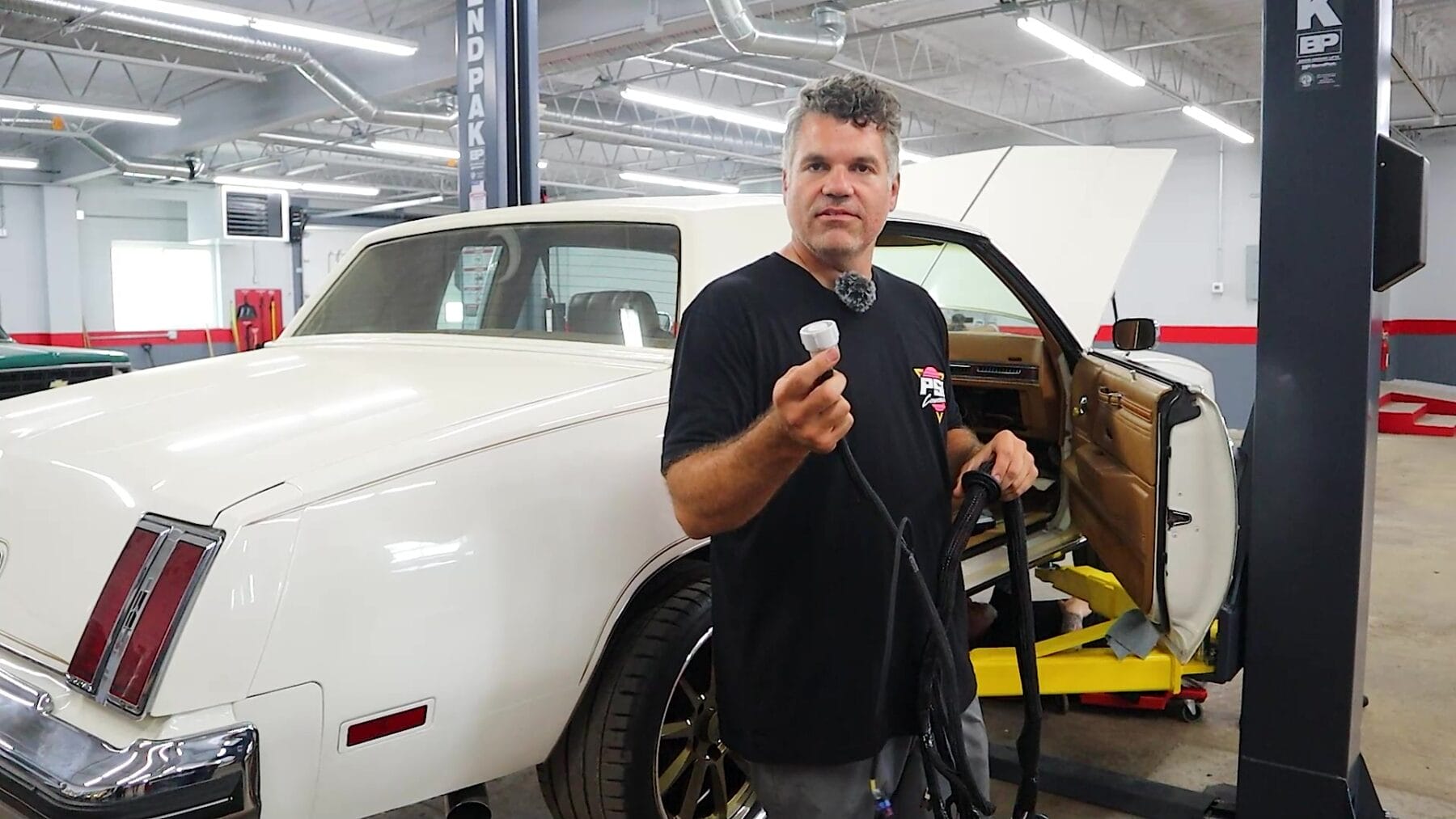
Matt from PSI highlights the key features of the kit that make installation easier:
Step-by-Step Wiring Harness Installation
Installing the wiring harness may seem intimidating, but PSI’s design makes it manageable for anyone with basic mechanical skills. Here’s how we approached it on the Cutlass.
Choosing the Right Routing
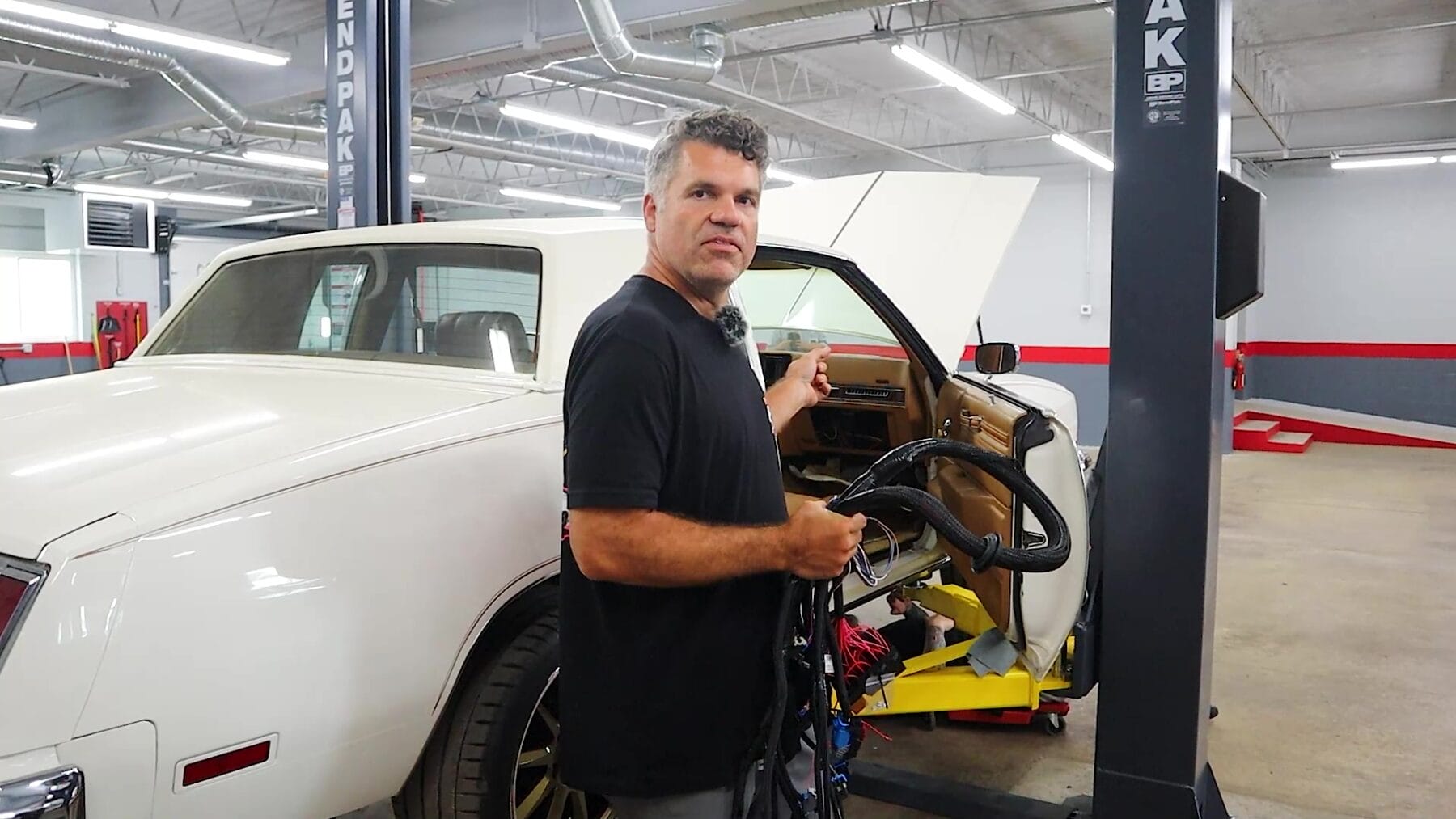
First, we decided where to drill a hole in the firewall to feed the harness through. The design places the fuse block and engine computers inside the passenger compartment, while the rest of the harness components stay under the hood.
One key tip is to feed the largest connector—the one for the automatic transmission—through the hole first. This makes it much easier to pull the rest of the harness through later without damage.
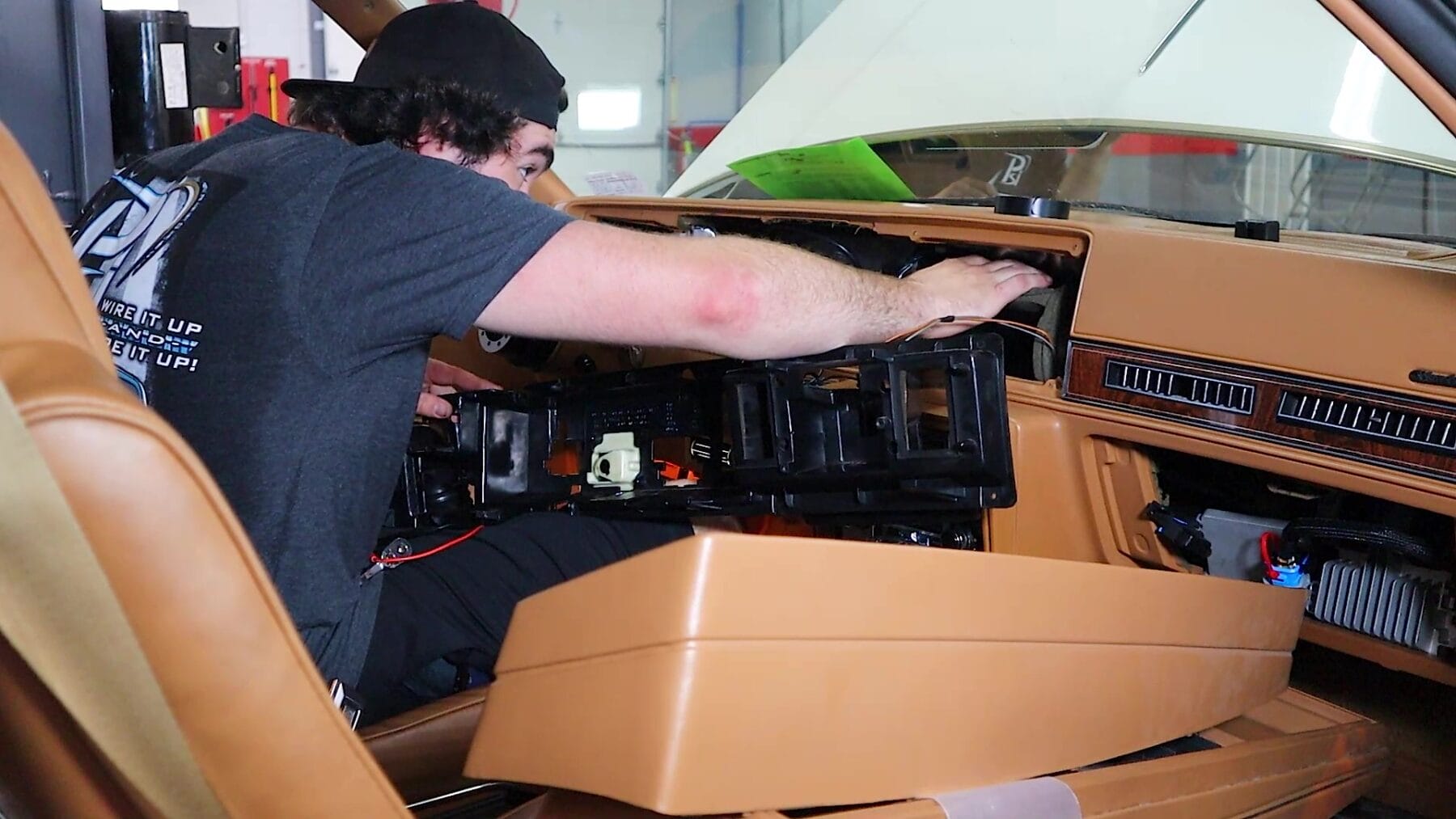
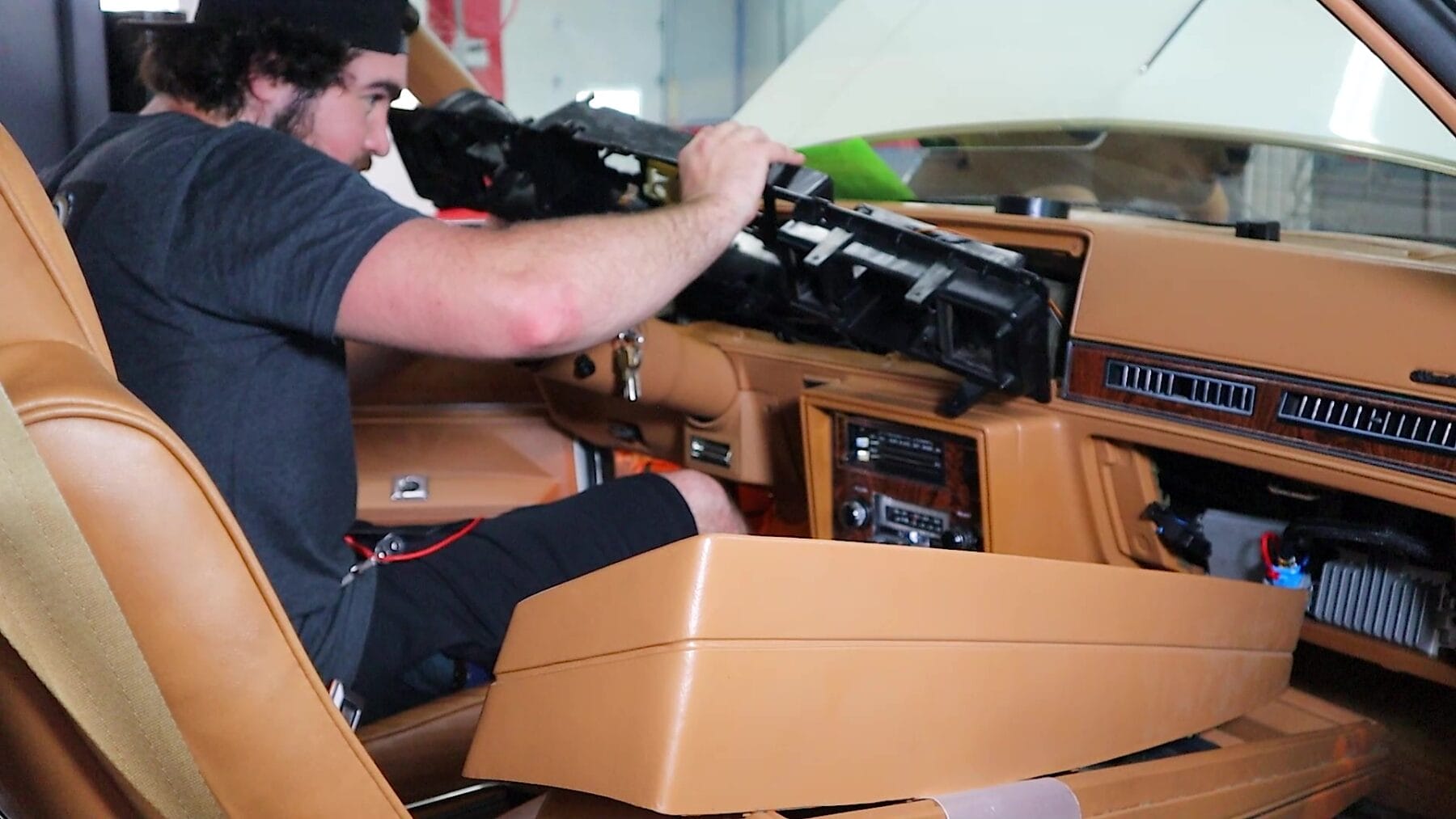
Organizing Components Under the Dash
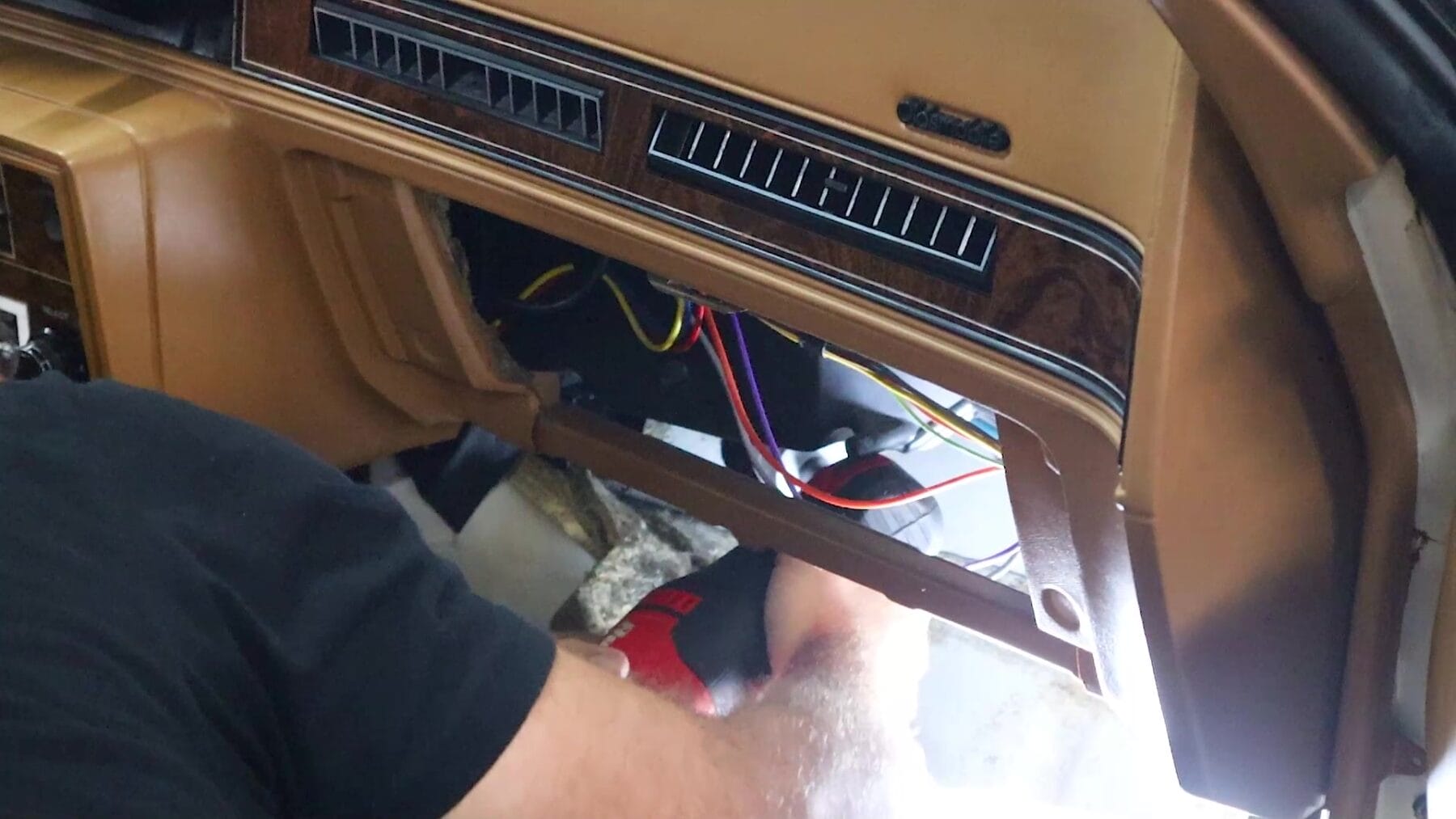
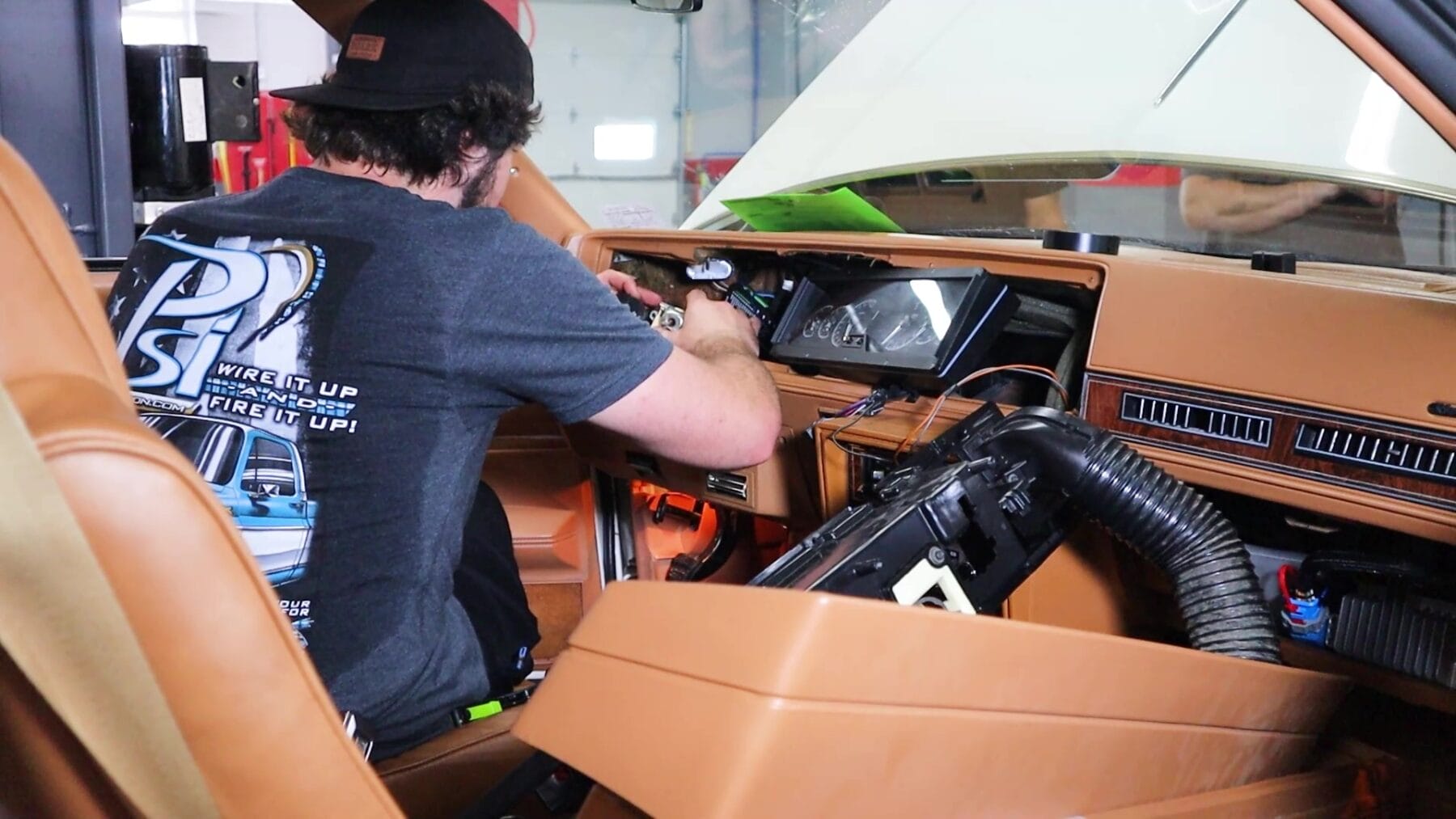
Once the wiring harness is routed through the firewall, the engine computer, transmission computer, and fuse block are all mounted under the dash. PSI provides brackets to secure these components in one tidy location, eliminating the need for custom mounts.
With everything in place, the harness is ready to plug into key engine sensors, injectors, and the mass airflow sensor. The design is intuitive, making it accessible for enthusiasts who may be wiring their first LS swap.
Grounding: The Most Critical Step
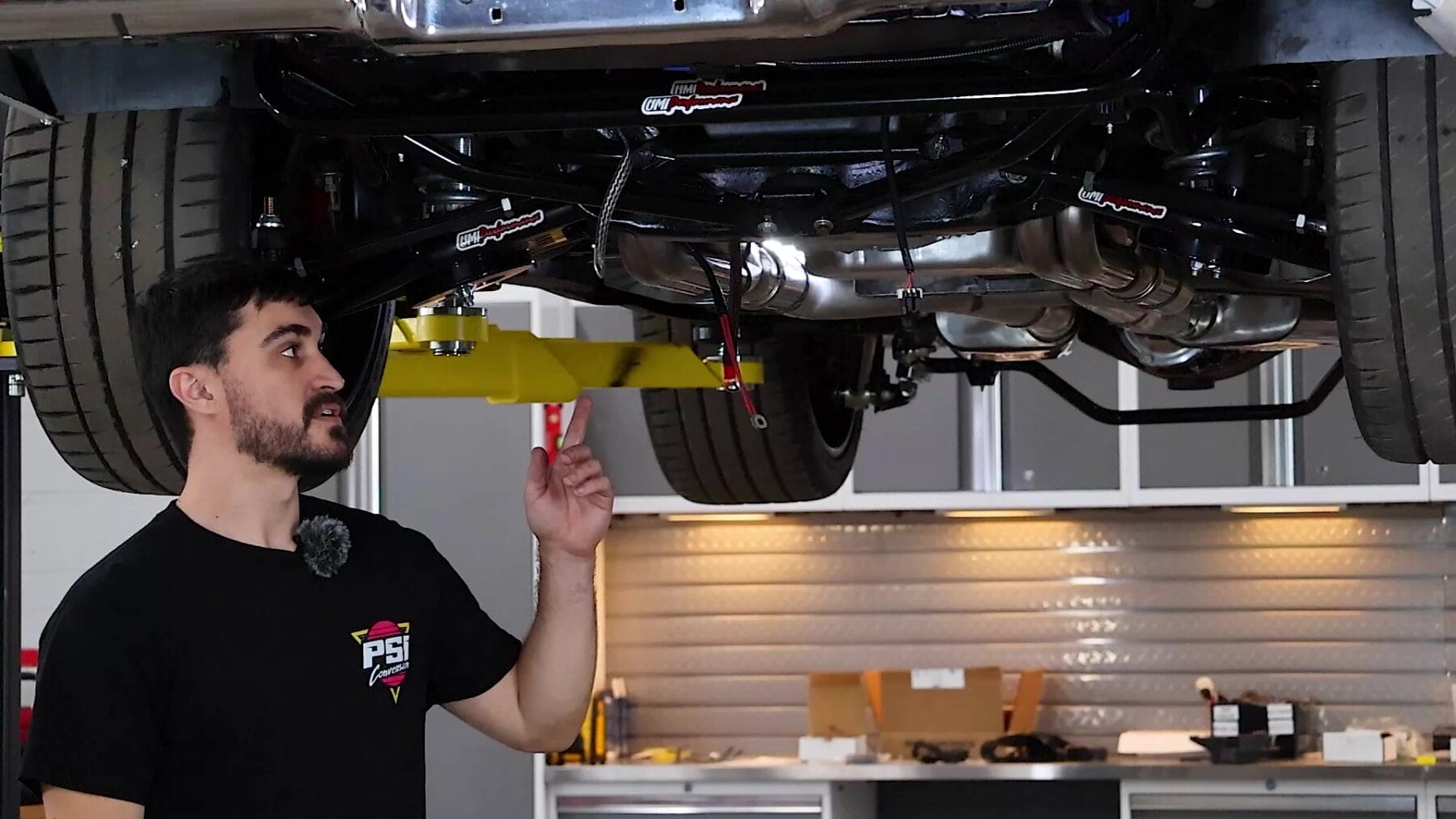
One of the biggest challenges in wiring an LS swap is ensuring good grounds. Poor grounds can cause erratic sensor readings and engine performance issues. PSI addresses this by including heavy-duty ground straps that connect both cylinder heads to the engine block and then the block to the chassis.
During installation, we removed the cam sensor sub-harness from the crate motor but kept the metal protector for wiring safety. Then, we attached the thick braided ground straps to the chassis, ensuring a solid, clean electrical path.
Power Connections and Final Wiring Touches
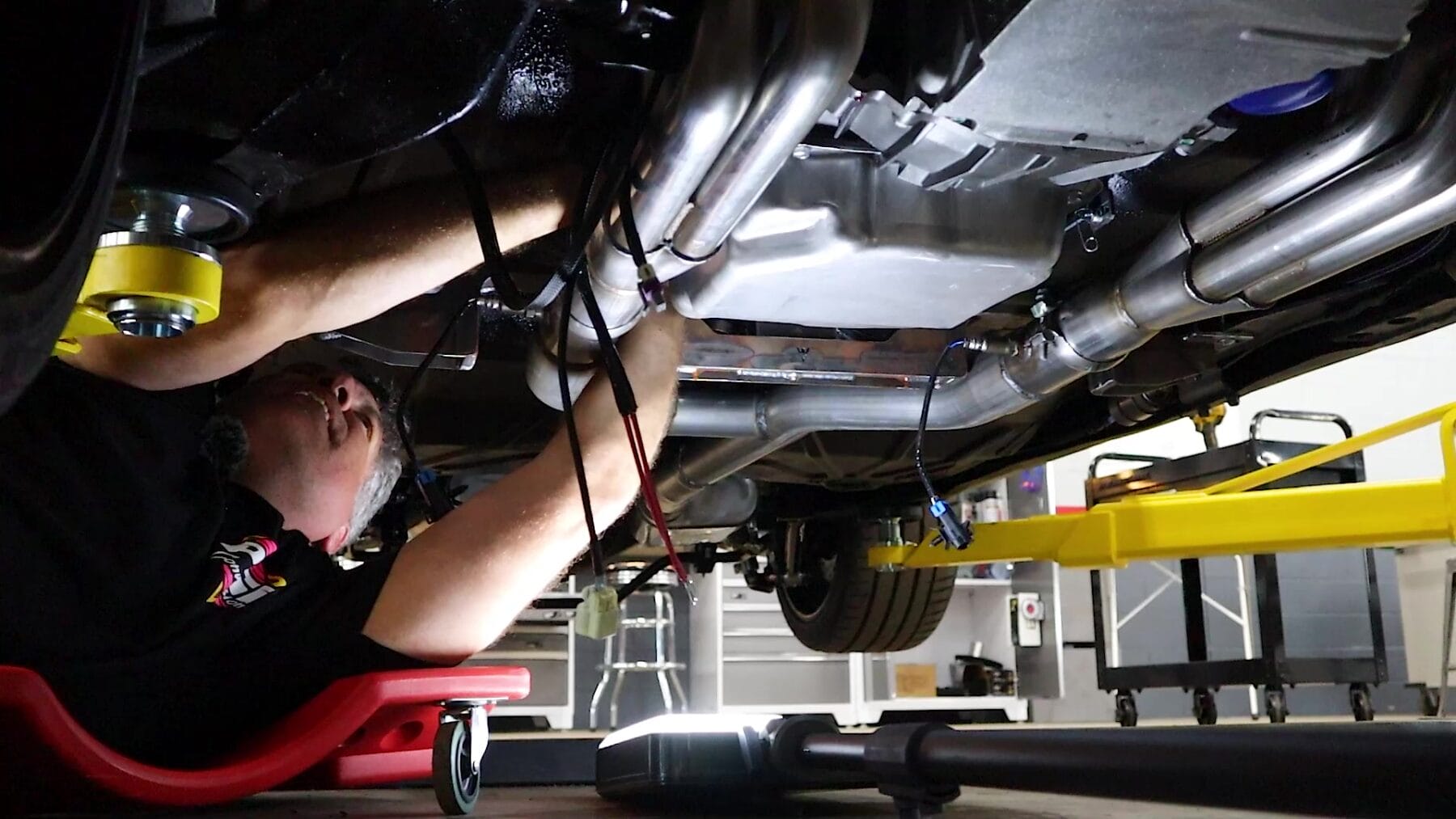
The harness draws power from the starter, stacking with the battery cable for a clean power source. Additionally, power is fed into the cabin, and the starter solenoid wire is rerouted from the factory harness for proper function.
With power and grounds in place, the harness is ready for final sensor hookups and testing.
Upgrading the Dash: Dakota Digital HDX Gauge Cluster
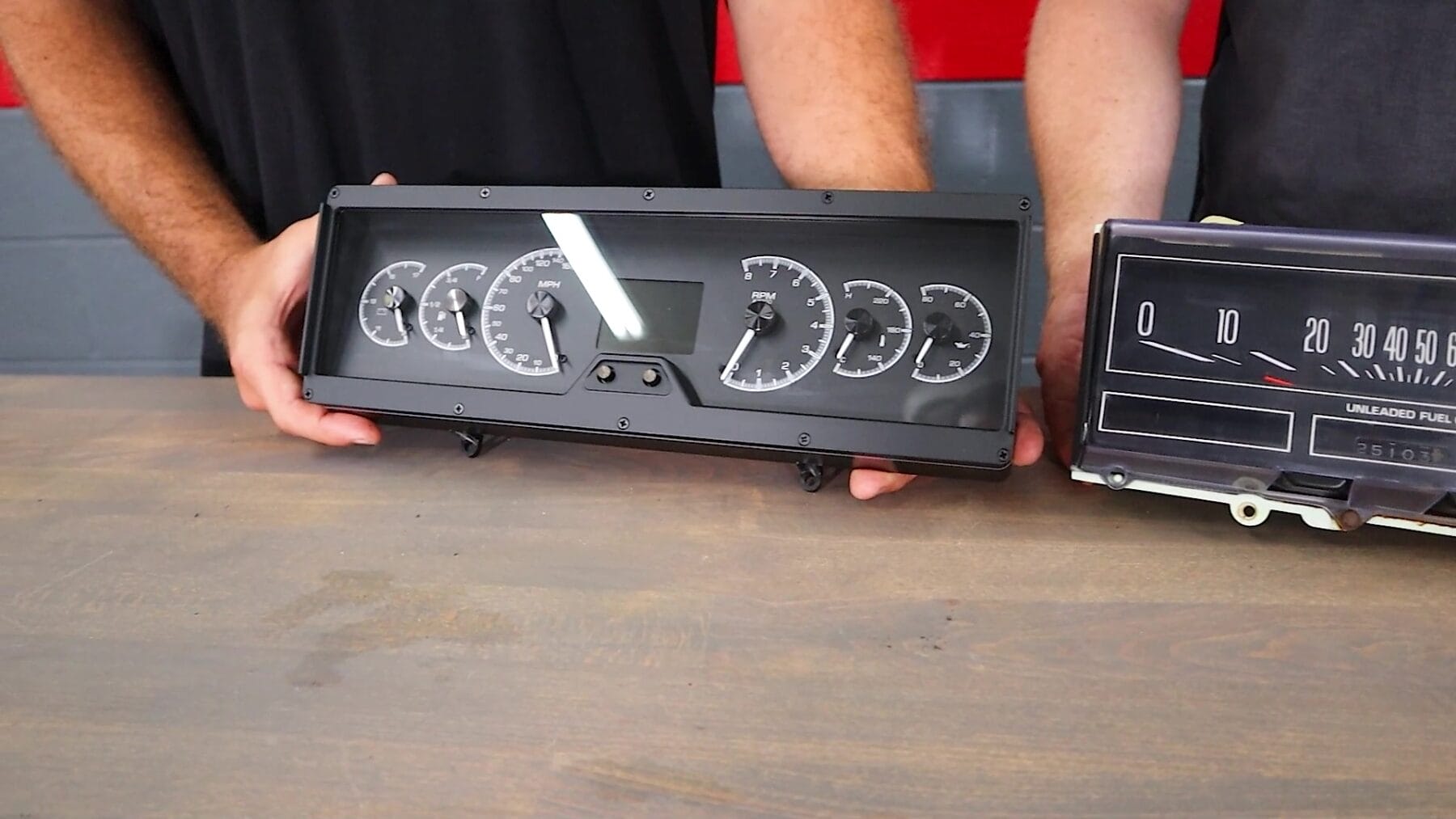
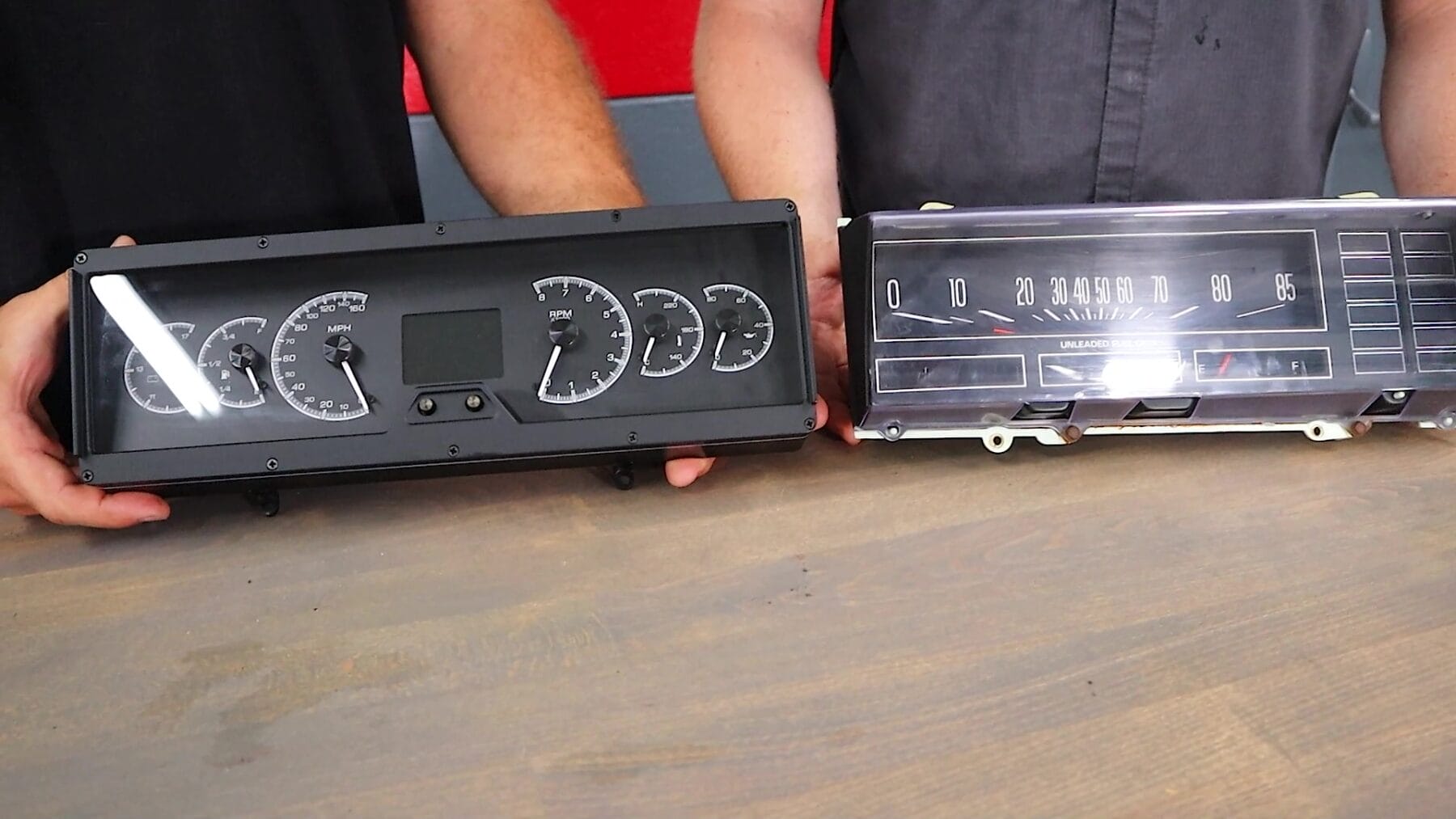
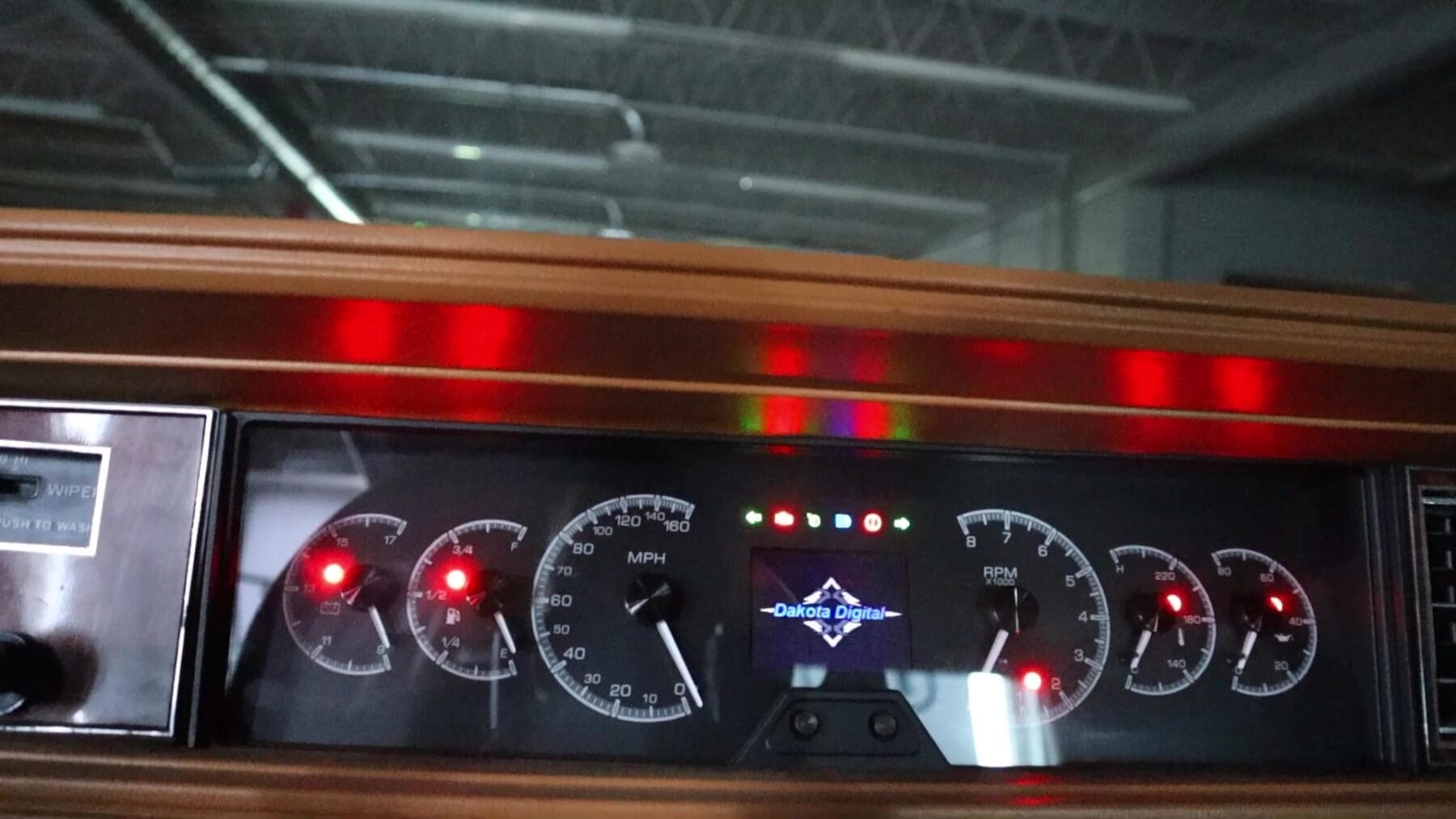
While the wiring was underway, we decided to upgrade the dash from the traditional sweep-style gauges to a modern Dakota Digital HDX gauge cluster designed specifically for 1978-1988 Oldsmobiles. This cluster not only looks great but also simplifies wiring by pulling data directly from the OBD2 port via their BIM module.
This setup provides a clean, programmable display for tachometer, speedometer, oil pressure, coolant temperature, and more. Plus, if you’re running a Powerglide or other non-standard transmission, there’s an optional GPS speedometer add-on that’s easy to install.
The center screen is customizable with features like zero-to-sixty timers, color options, and gear shift indicators—perfect for modernizing your classic G-Body interior.
First Fire-Up and Testing
After wiring the harness and upgrading the dash, it was time for the moment of truth: firing up the engine. We double-checked all connections and ensured there were no fuel leaks before turning the key to the ON position.
The fuel pump engaged immediately, and the engine fired up smoothly without any hiccups. This successful first start is a testament to the quality and design of the PSI wiring harness and the careful installation process.
Beyond Wiring: PSI’s Commitment to Car Enthusiasts
While their main business is wiring harnesses, PSI Conversion is deeply rooted in the car community. Joe shared that they also offer other swap-related products such as fuel tanks from Tanks Inc., gauge clusters from Dakota Digital, and radiators from DeWitts.
Joe’s passion for performance led him to develop suspension brackets for hybrid monster trucks and popular fifth-gen IRS setups, which have been tested extensively on the track.
PSI’s long-standing sponsorship of local track events, along with their commitment to quality and customer support, makes them a go-to partner for anyone tackling a G-body LS swap.
Final Thoughts: Why PSI Conversion is the Ultimate Wiring Solution for Your G-Body LS Swap
Our experience with PSI Conversion on the 1978 Cutlass LS3 swap has been outstanding. Their wiring harness kit is comprehensive, thoughtfully designed, and engineered to reduce installation time while increasing reliability. The pre-tuned computers, quality materials, and included ground straps address the most common wiring pitfalls.
For anyone looking to perform a G-body LS swap, partnering with PSI Conversion is a smart move that can save you countless hours and headaches. Their support and product quality give you confidence your swap will run flawlessly from day one.
Stay tuned for our season finale, where we’ll put all these products to the test on the track and share the full results of our Cutlass build journey.
For more information on the PSI Conversion wiring kits and other swap components, visit PSI Conversion.