G-Body Fuel Tank Upgrade: Installing a High-Performance EFI Tank on Our 1978 Cutlass

When it comes to restoring and upgrading classic American muscle cars, attention to detail and modern performance enhancements go hand in hand. At UMI Performance, we recently took on an exciting project: a comprehensive G-body fuel tank upgrade on our 1978 Oldsmobile Cutlass. This upgrade is a crucial step in transforming the classic ride from its original carbureted setup to a modern fuel-injected powerhouse, powered by a Pace Performance LS3 engine.

In this article, we'll walk you through the entire process of removing the old fuel tank, installing a new EFI-compatible tank from Tanks Inc., and integrating cutting-edge plumbing and wiring systems courtesy of PSI Conversions. Whether you’re planning a similar swap or just curious about the process, this detailed breakdown will give you the insight and confidence to tackle your own fuel system upgrade.

Why Upgrade the Fuel System on a Classic G-Body?

The original fuel system in our 1978 Cutlass was designed for a carbureted 260 cubic inch V8 engine. While this was the standard back in the day, it simply isn’t up to the task for modern fuel injection systems. The old fuel lines, tank, and sending units have been in the car since 1978, making them outdated and prone to failure.

Our goal is to swap in a fuel-injected Pace Performance LS3 crate motor, which requires a fuel system capable of handling higher pressures and delivering consistent fuel flow for optimal performance. This means replacing the old tank with a fuel injection (EFI) compatible tank, upgrading fuel lines, and integrating precise wiring for fuel pump and sending unit control.

Removing the Old Tank and Preparing for the Upgrade

We started by carefully removing the old fuel tank from the Cutlass. This involved unhooking the decades-old fuel lines, disconnecting the ground strap, and detaching the sending unit wires located on top of the tank. Additionally, the original tank straps — which had seen better days — were removed to make way for new, modern straps that would provide a secure and reliable fit.

Because these components had been in service since 1978, it was essential to replace all of them to avoid leaks, electrical issues, or fuel delivery problems down the road. This clean slate approach ensures our upgraded system will be safe and efficient.

Choosing the Right EFI Tank: Tanks Inc. Delivers

For this project, Tanks Inc. provided an exceptional EFI-compatible fuel tank designed specifically for the G-body platform. The kit arrived complete with the tank, fuel pumps, and all necessary wiring. The quality and thoughtful engineering of this tank made it a perfect fit for our LS3 swap.

This new tank supports modern fuel injection requirements, including proper baffling to prevent fuel starvation during acceleration, and it comes prepped for high-flow fuel pumps. The integration of a sending unit designed for EFI systems also allows us to get accurate fuel level readings on our Dakota Digital dash.

Upgrading Fuel Lines and Plumbing

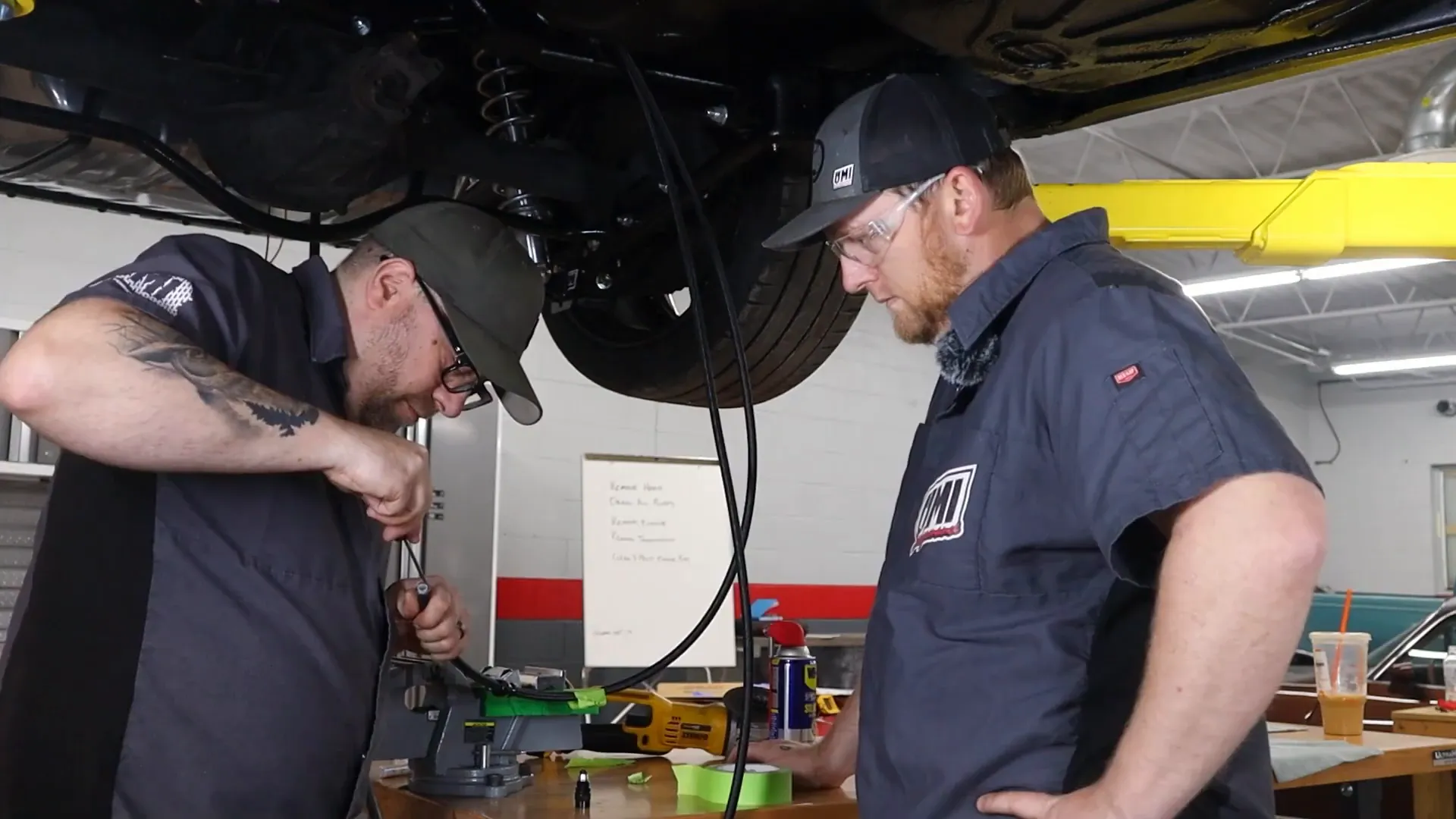
One key element in the G-body fuel tank upgrade is the fuel plumbing. We opted for 6AN lines, which are known for their durability and resistance to both regular gasoline and E85 fuel. Cutting these lines cleanly is critical, and we found using a grinder works best to ensure smooth ends that seal properly.

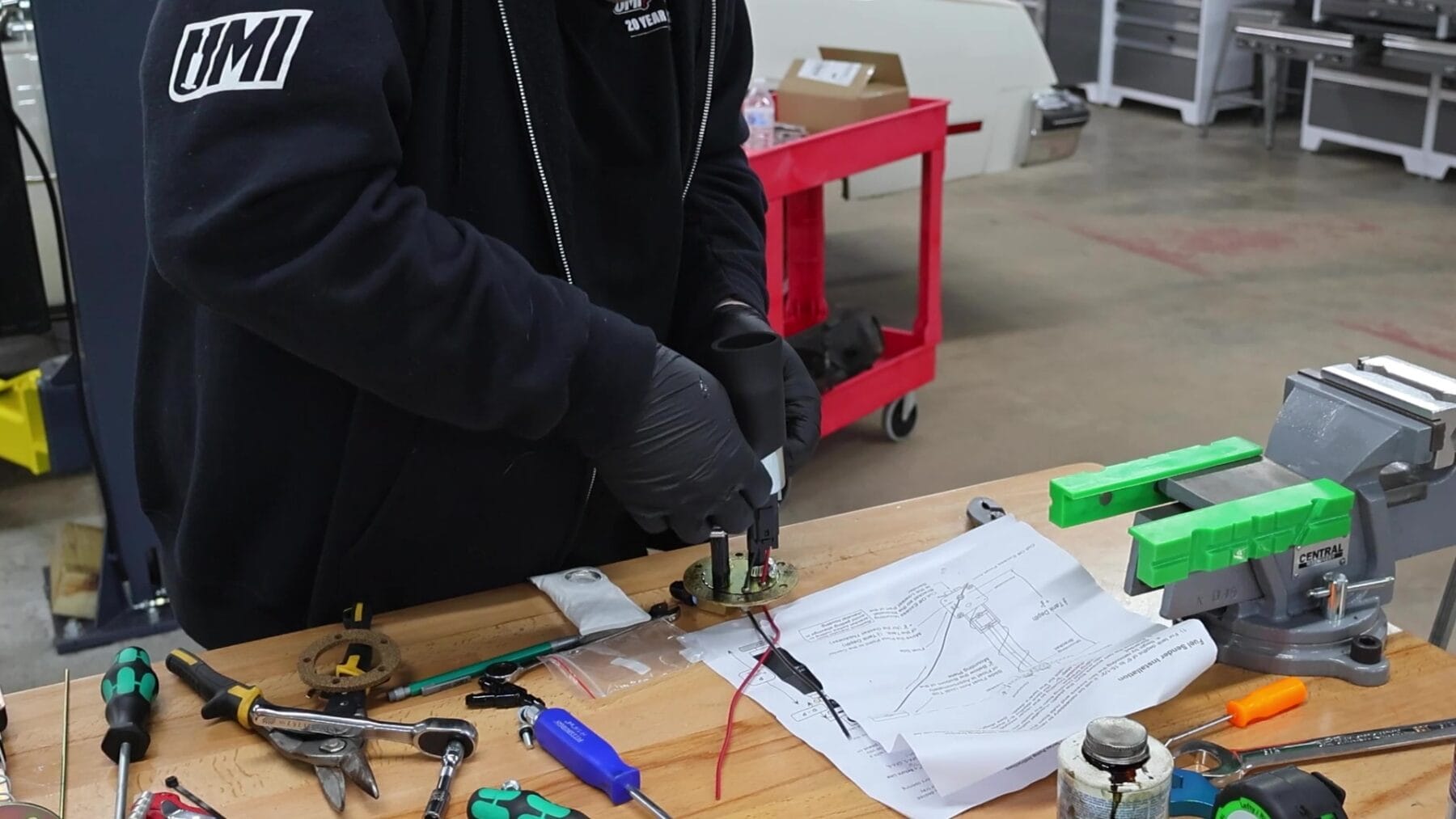
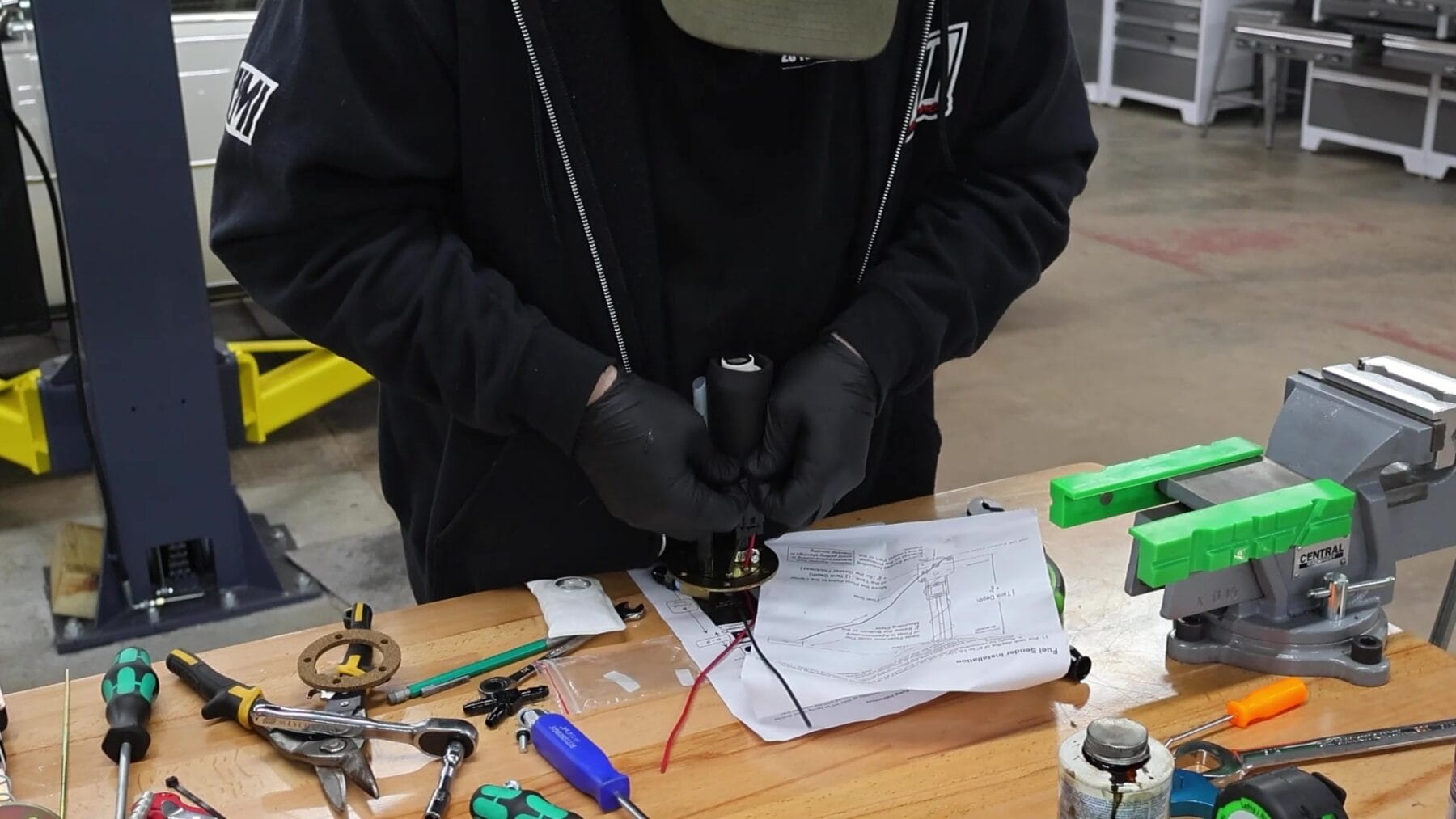
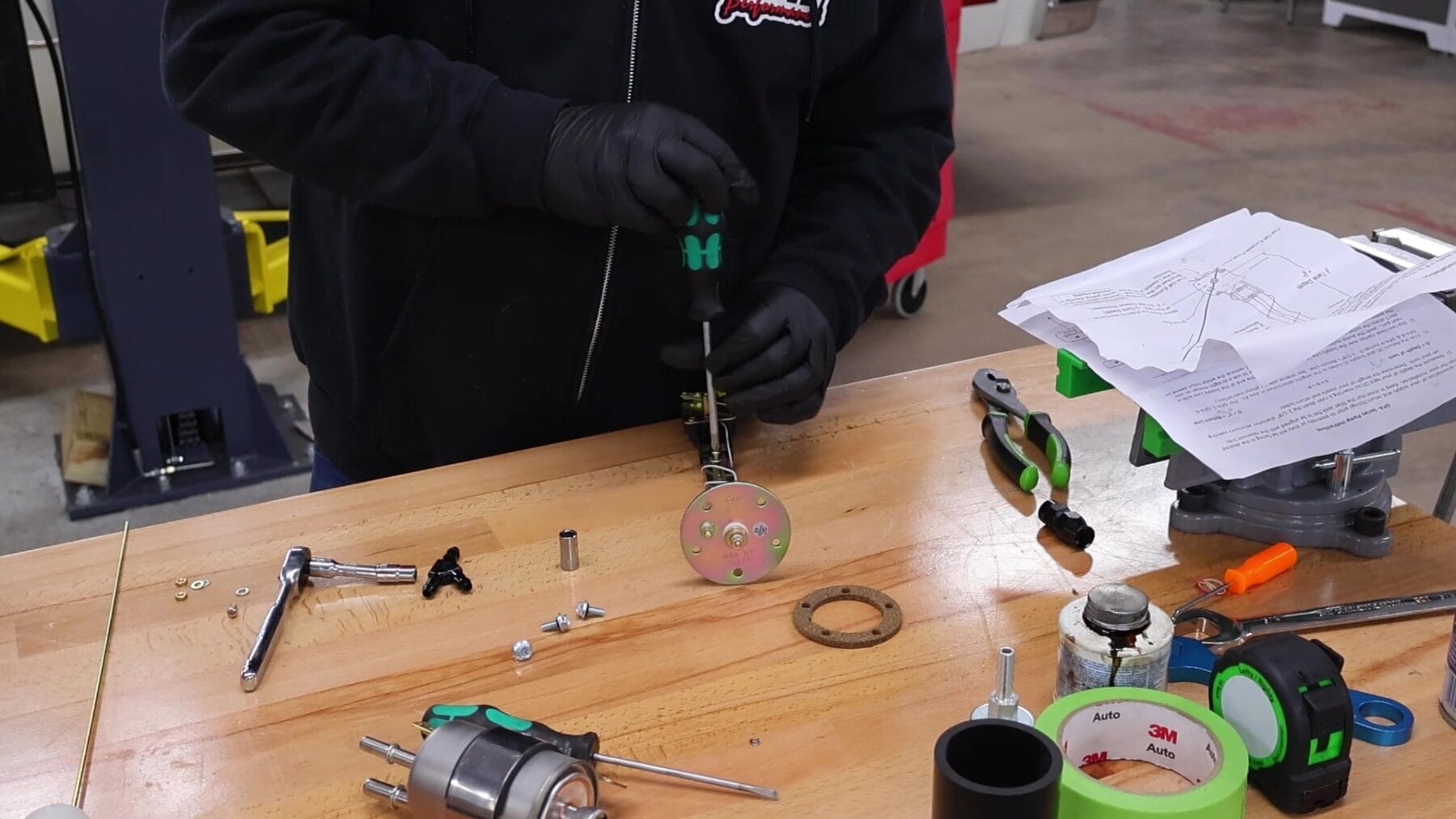
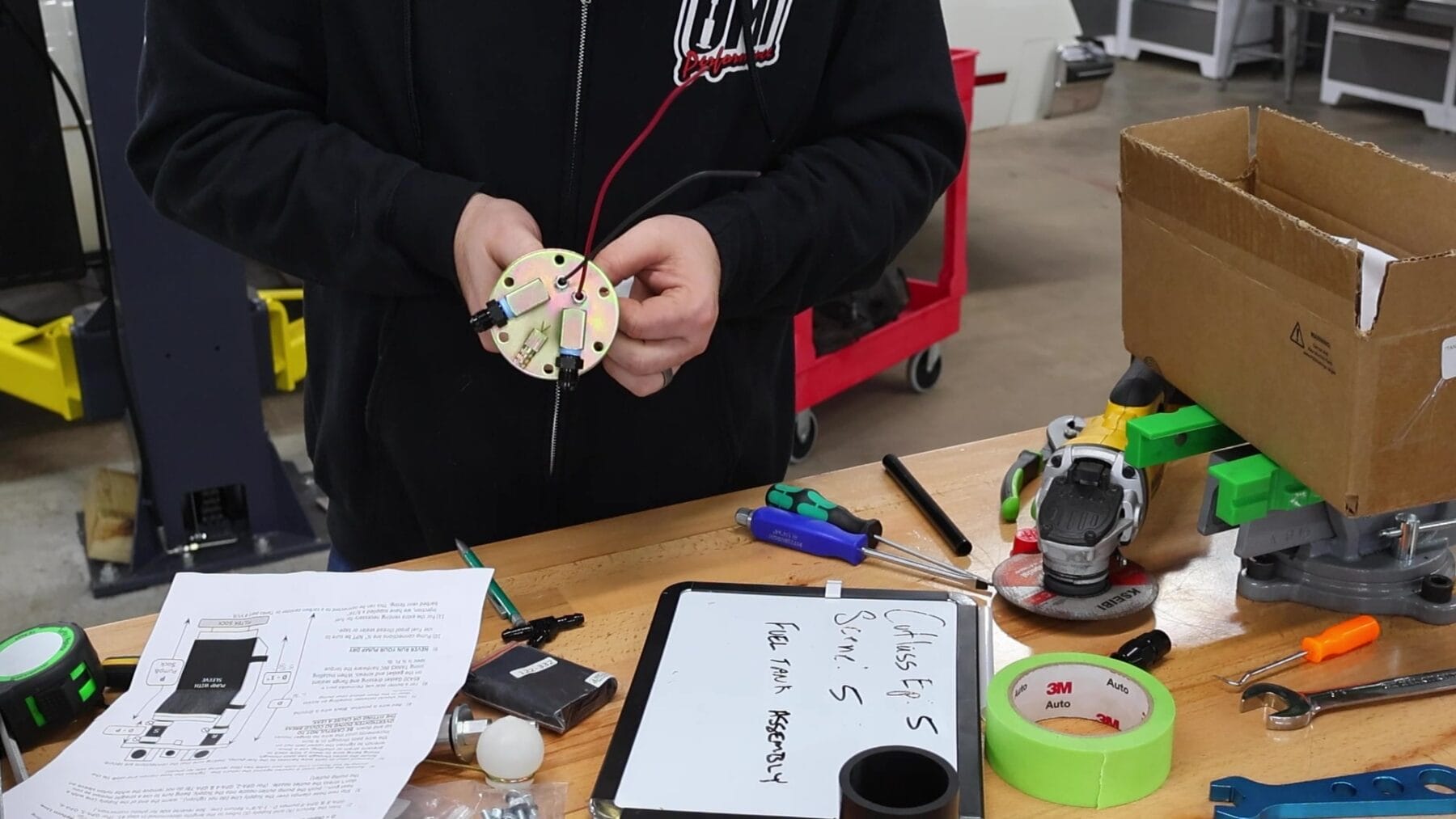
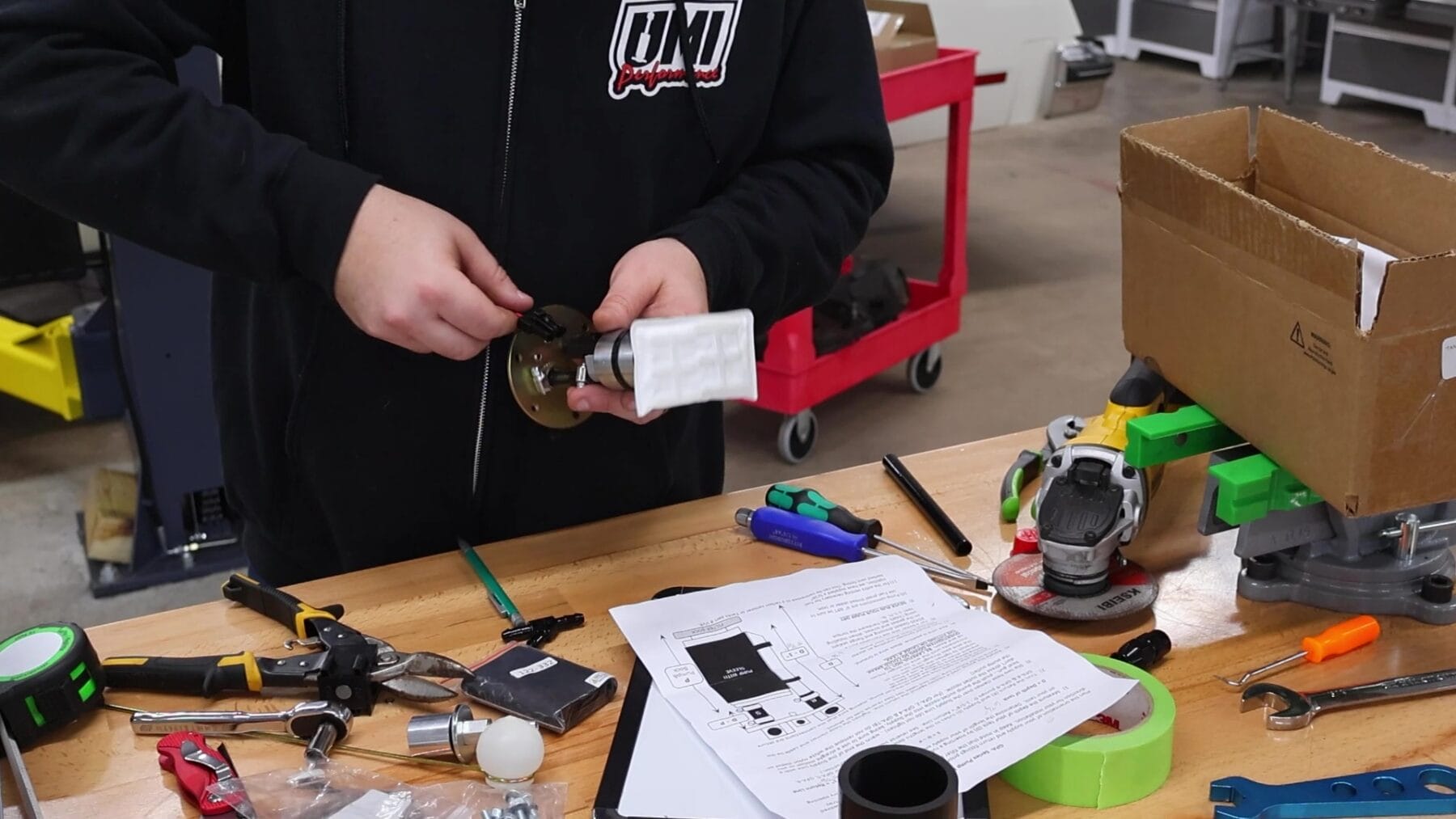
Before installation, each line end was thoroughly cleaned to prevent contamination. We installed a Walbro fuel pump onto the sending unit, attaching a filter sock at the end to keep debris out of the fuel system. The pump wiring was routed neatly through the tank’s top bulkhead fitting, which provides a sealed and leak-free connection point.

We used Permatex gasket sealant on all mating surfaces to ensure a tight, leak-proof seal. This sealant is vital for preventing fuel leaks, which can be hazardous and reduce system efficiency.

Wiring and Sending Unit Installation

Installing the sending unit required some modification, including cutting to fit properly into the tank. While it looked like it might not be the perfect fit at first, the gauge turned out to be spot on for the car’s fuel level monitoring.

The sending unit and wiring were connected with a bulkhead fitting that sealed the tank and allowed for clean wiring routing. This setup includes a ground wire, a pump hot wire, and a sending unit wire that plugs into the Dakota Digital dash. This integration gives us accurate, real-time fuel level readings, which is crucial for monitoring fuel consumption and avoiding surprises on the road.

Installing New Tank Straps and Mounting the Tank

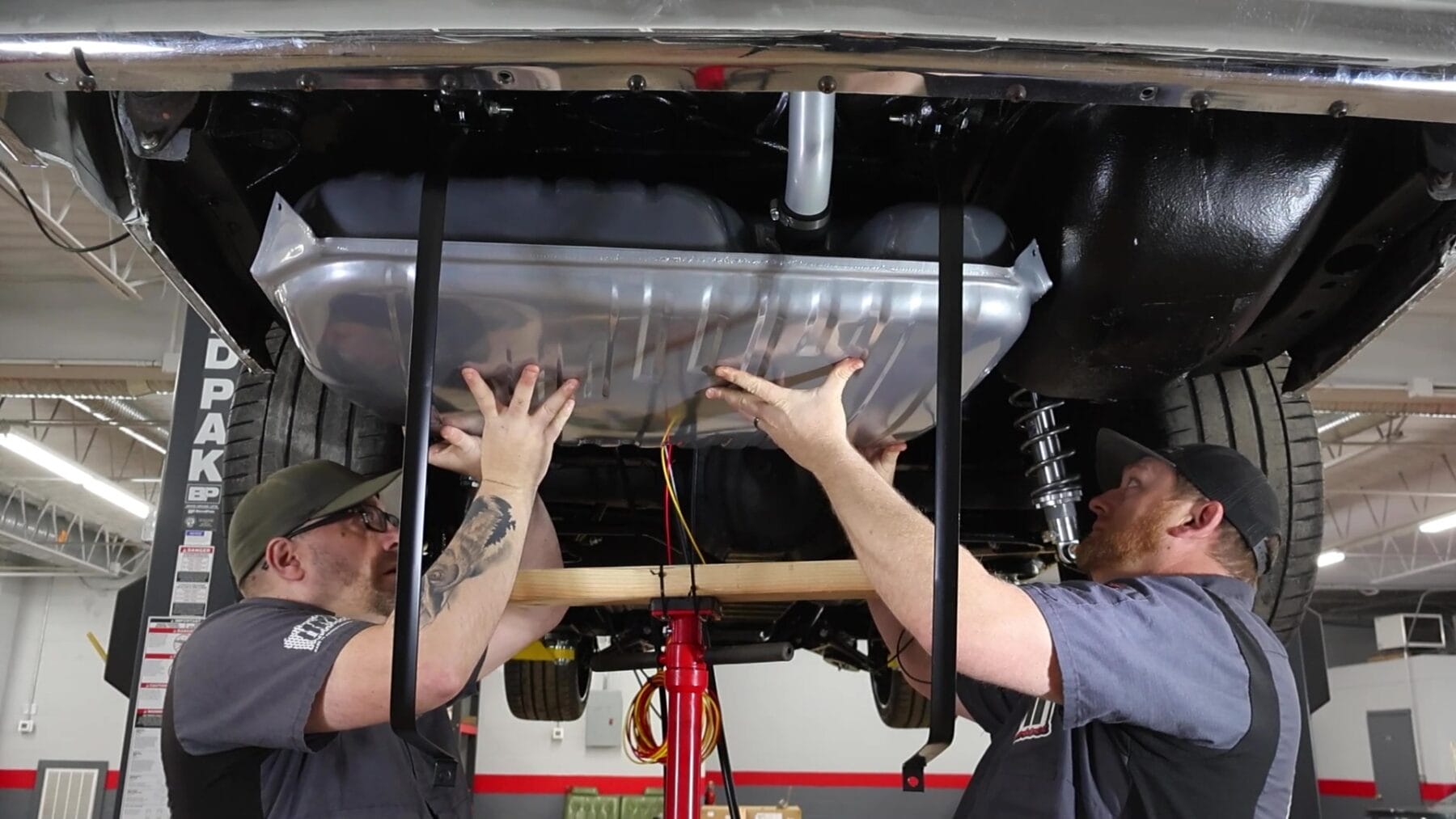
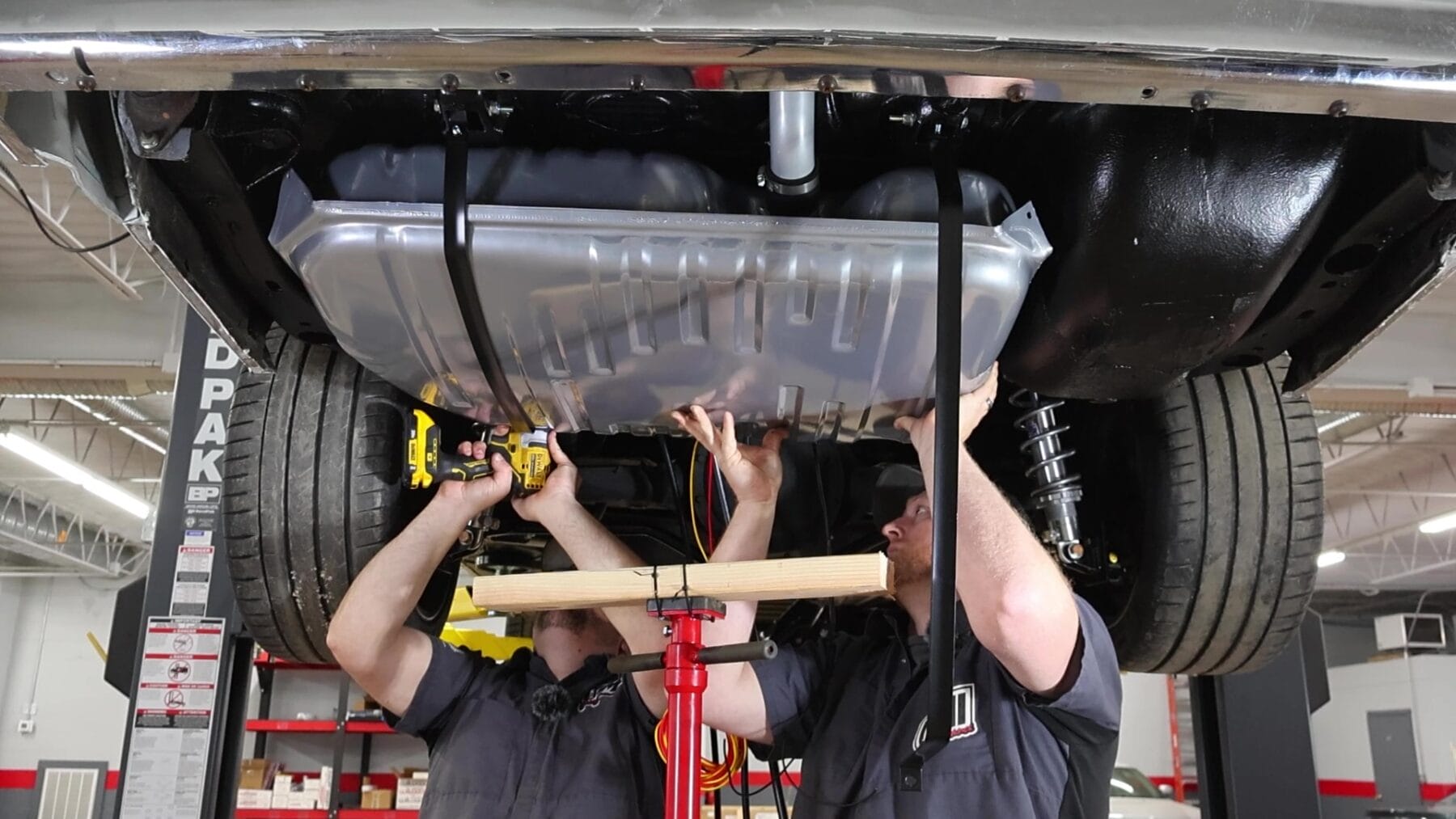
Tanks Inc. also supplied brand new, pre-bent tank straps designed to fit perfectly around the new EFI tank. These straps simplify installation and provide a secure hold, preventing any unwanted movement or vibration that could stress the fuel system components.

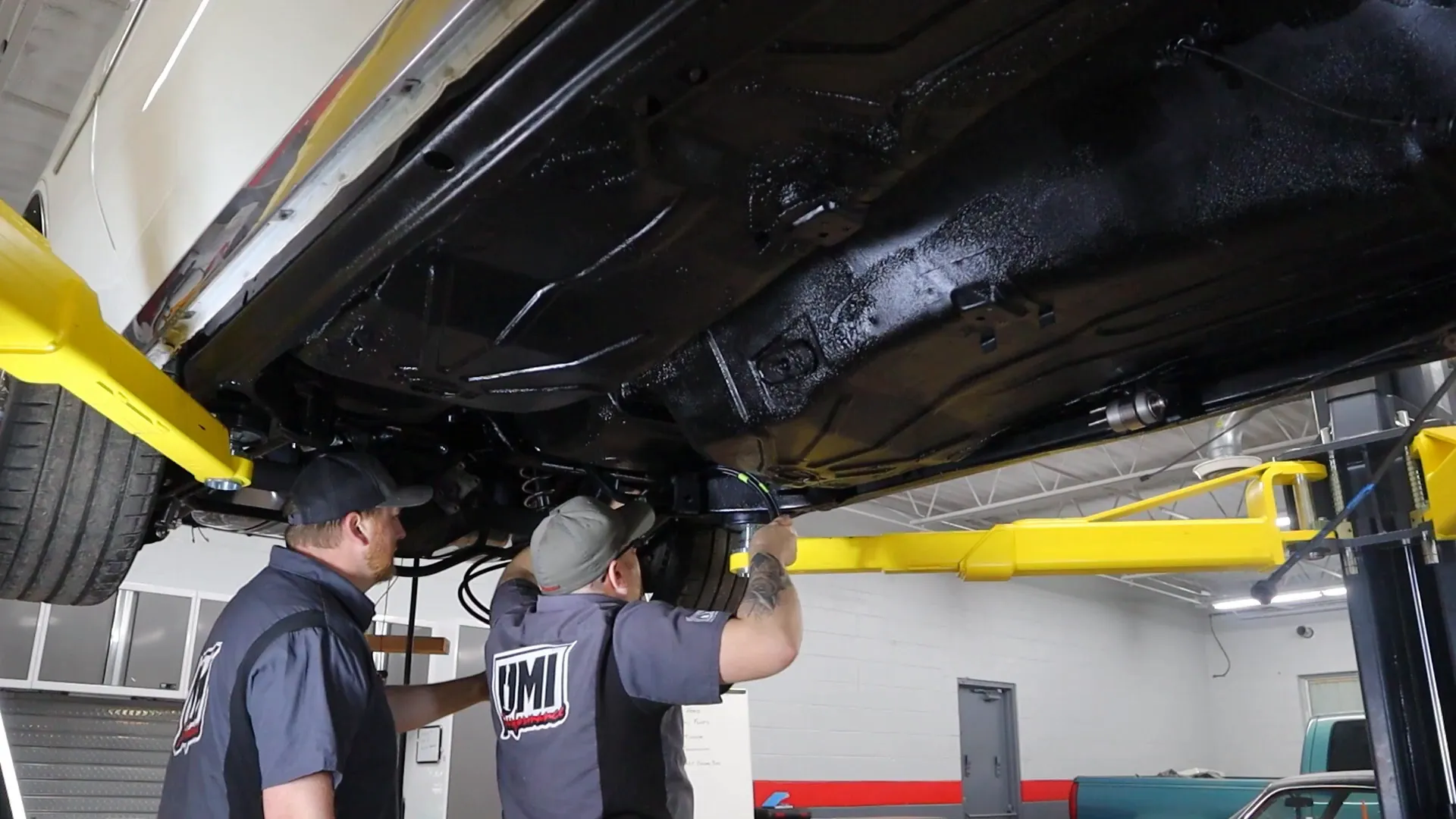
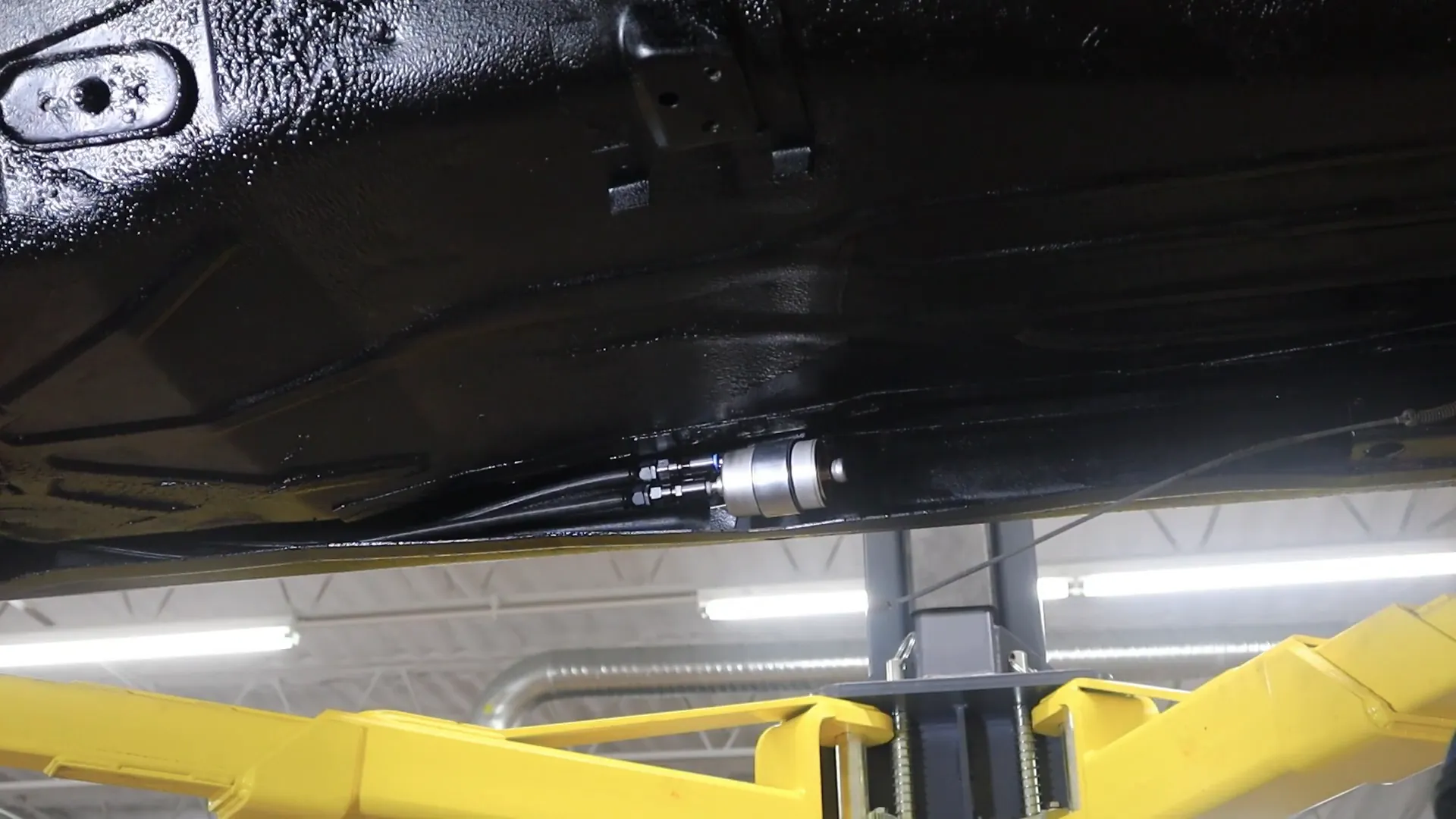
Once the tank was mounted, we installed a Corvette-style fuel pressure regulator with a built-in return line. This regulator is ideal for a crate motor setup like our LS3, which doesn’t push extreme horsepower but still requires consistent fuel pressure management for smooth operation.

Fuel Line Routing and Final Assembly

With the tank mounted and the regulator in place, we routed the return and sending lines carefully. We left some extra material in the lines to allow for flexibility during installation and future maintenance.

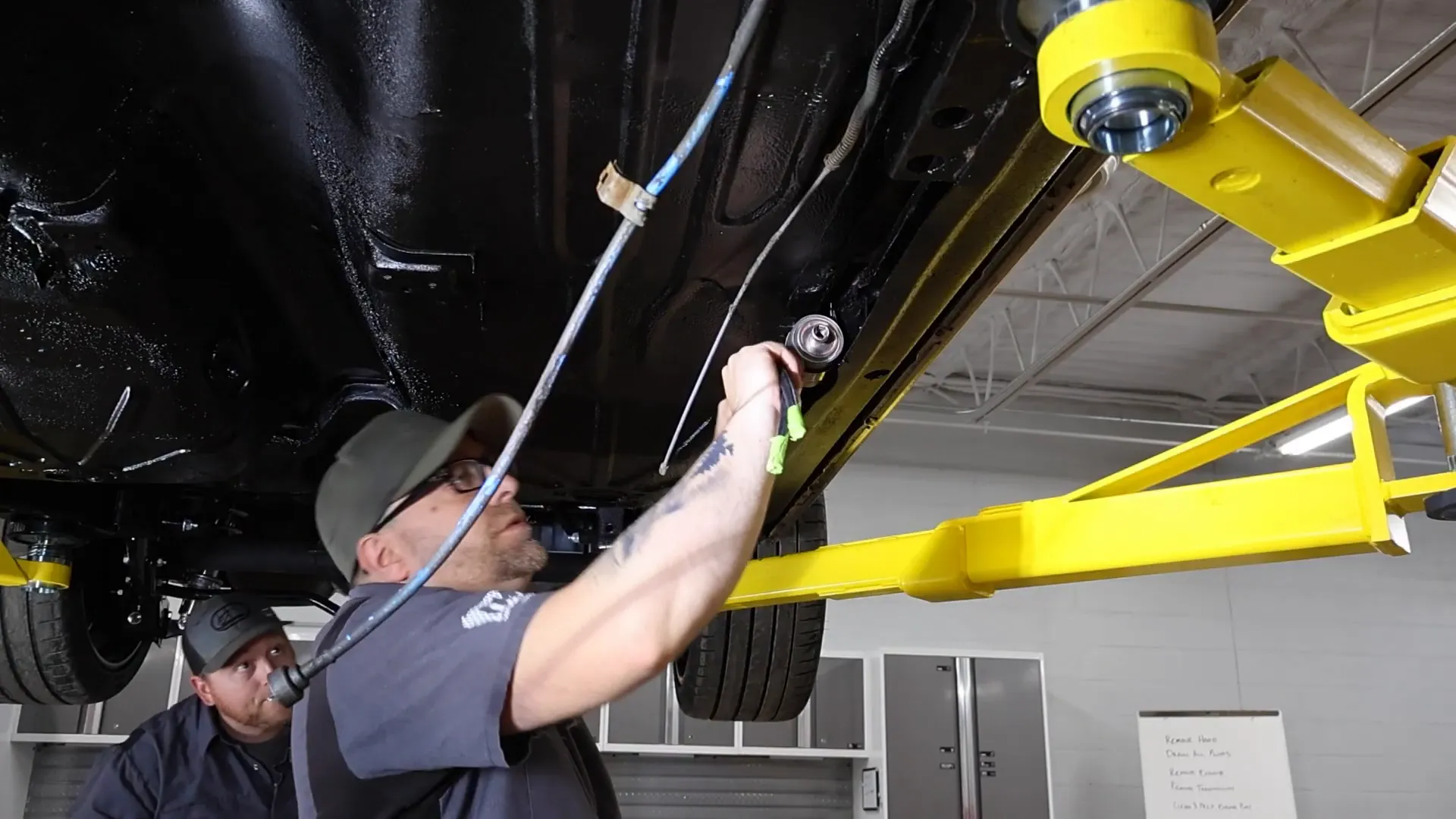
One important tip: always label your fuel lines clearly. We used painter’s tape to mark the return line and the sending unit line to avoid confusion during assembly. Proper labeling helps prevent costly mistakes and ensures everything connects correctly the first time.

When attaching the fuel lines, we avoided the factory quick-release fittings, which can sometimes fail if not installed perfectly. Instead, we opted for fittings with locking collars from trusted brands like Earl’s. These fittings slide over the factory line and tighten securely, providing a much stronger and more reliable connection.

Wrapping Up the G-Body Fuel Tank Upgrade

This G-body EFI fuel tank upgrade on our 1978 Cutlass is a perfect example of how modern technology and quality components can breathe new life into a classic car. By replacing the old, outdated fuel system with a Tanks Inc. EFI tank and integrating PSI Conversion wiring and plumbing, we have laid the foundation for a reliable, high-performance fuel delivery system.

Every step of the process—from removing the old tank, installing new fuel lines, wiring the sending unit, to mounting the tank and regulator—was executed with precision and care. The result is a safe, efficient, and high-functioning fuel system ready to support the LS3 engine’s power and responsiveness.

If you’re embarking on a similar project or considering an LS swap in your G-body, this upgrade is an essential step that will improve both performance and reliability. Remember to use quality parts, take your time with installation, and don’t hesitate to label and organize your lines and wiring for a clean, professional finish.

For more detailed information on our LS swap journey and other build projects, see the complete project here. Also, check out Tanks Inc., PSI Conversion, and Dakota Digital for the best components to support your build.

Watch the episodes

Check out the UMI G-Body fleet featuring UMI suspensions products